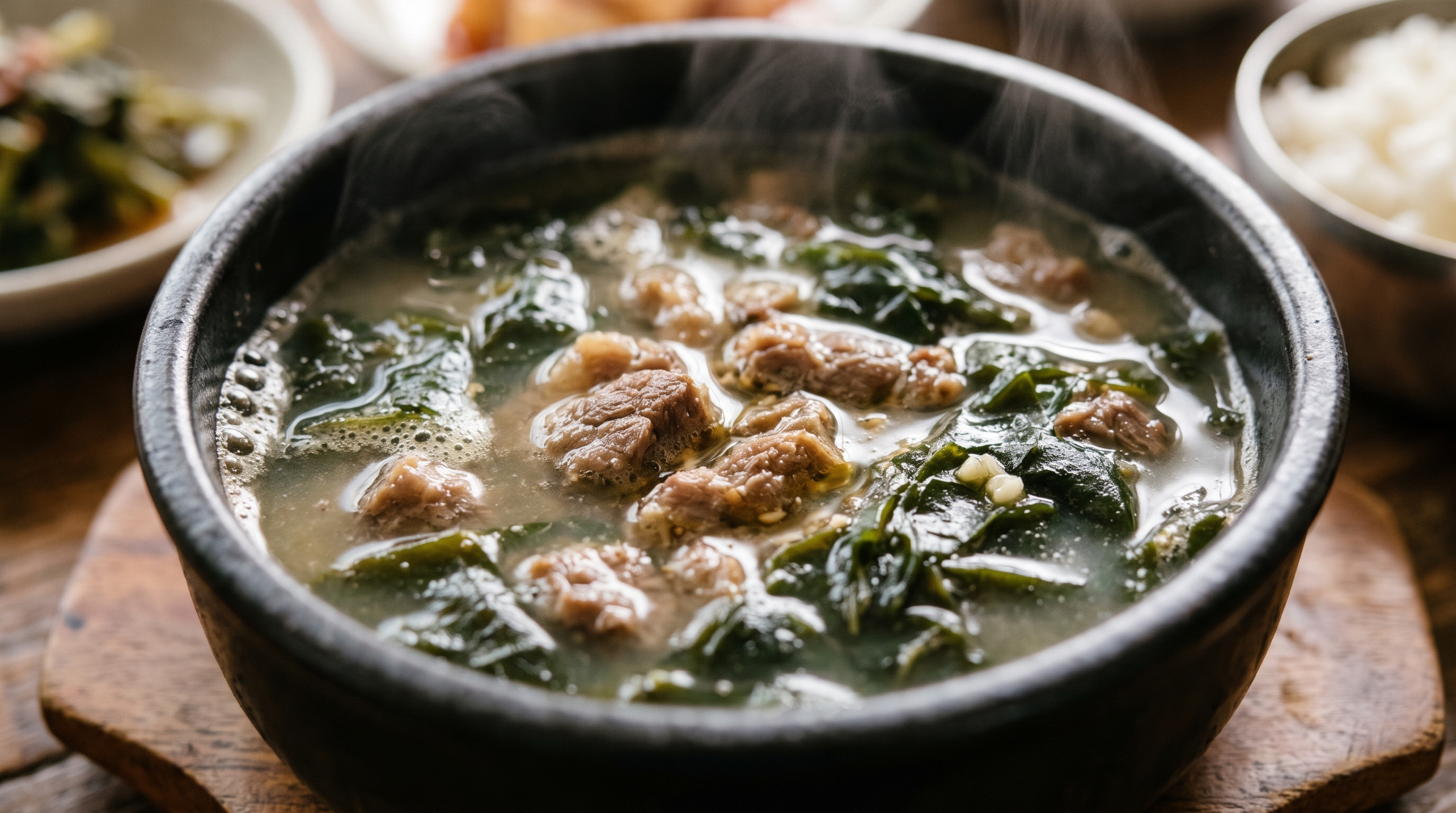
Quick Recipe Snapshot: ⏱️ Prep: 15 mins | 🔥 Cook: 35 mins | 🍽️ Servings: 4 | 💡 Key Secret: Thoroughly rub-wash seaweed + sauté beef and seaweed in sesame oil for 5 full minutes + 1:1 synergy of Korean soup soy sauce and anchovy fish sauce.
Steeped in maternal gratitude, longevity, and heartfelt celebration, Beef Miyeokguk (소고기 미역국) is Korea’s revered “birthday soup” and post-partum restorative tonic. Combining the mineral-rich sea breeze essence of tender brown seaweed with rich, slow-simmered beef brisket and fragrant toasted sesame oil, a steaming bowl of Miyeokguk delivers pure, soothing comfort that warms the body from the inside out.
However, home cooks frequently express disappointment when their soup turns out watery, dark brown, and bland like boiled tap water—lacking the rich, bone-broth milky opacity (sagol-gukmul) and deep savory body characteristic of traditional home-cooked feasts. Others struggle with tough, rubbery beef or overly slippery, fishy seaweed.
Transforming simple dried seaweed and beef into a luxurious, milky elixir requires three essential culinary science techniques: the sesame oil lipid-protein emulsion sauté, glutamate-inosinate synergistic seasoning (soup soy sauce + fish sauce), and alginate breakdown via gentle low-heat resting.
Here is the exact restaurant and traditional family method to master this wholesome Korean classic.
1. The Culinary Science Behind Milky, Deep Miyeokguk
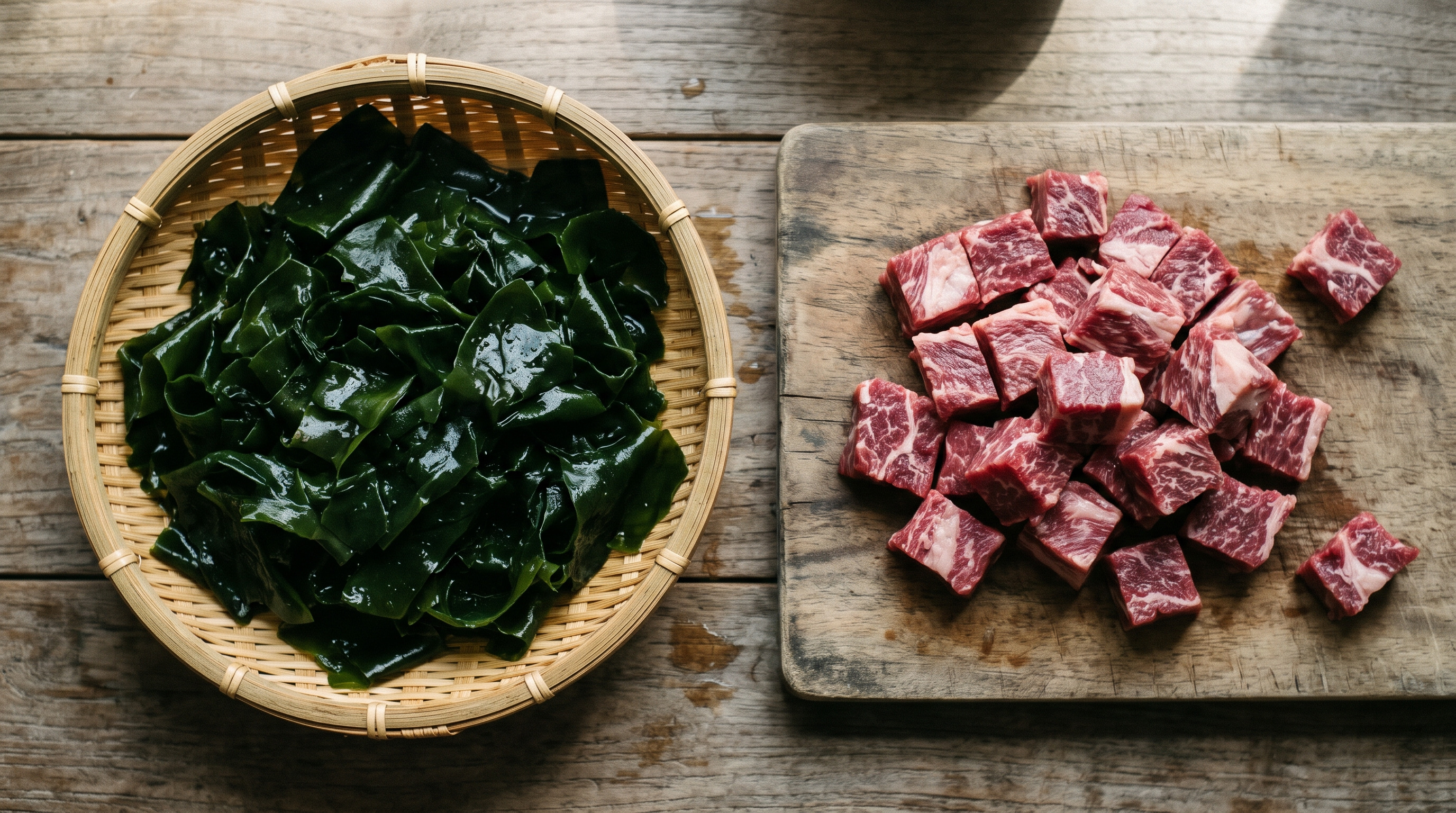
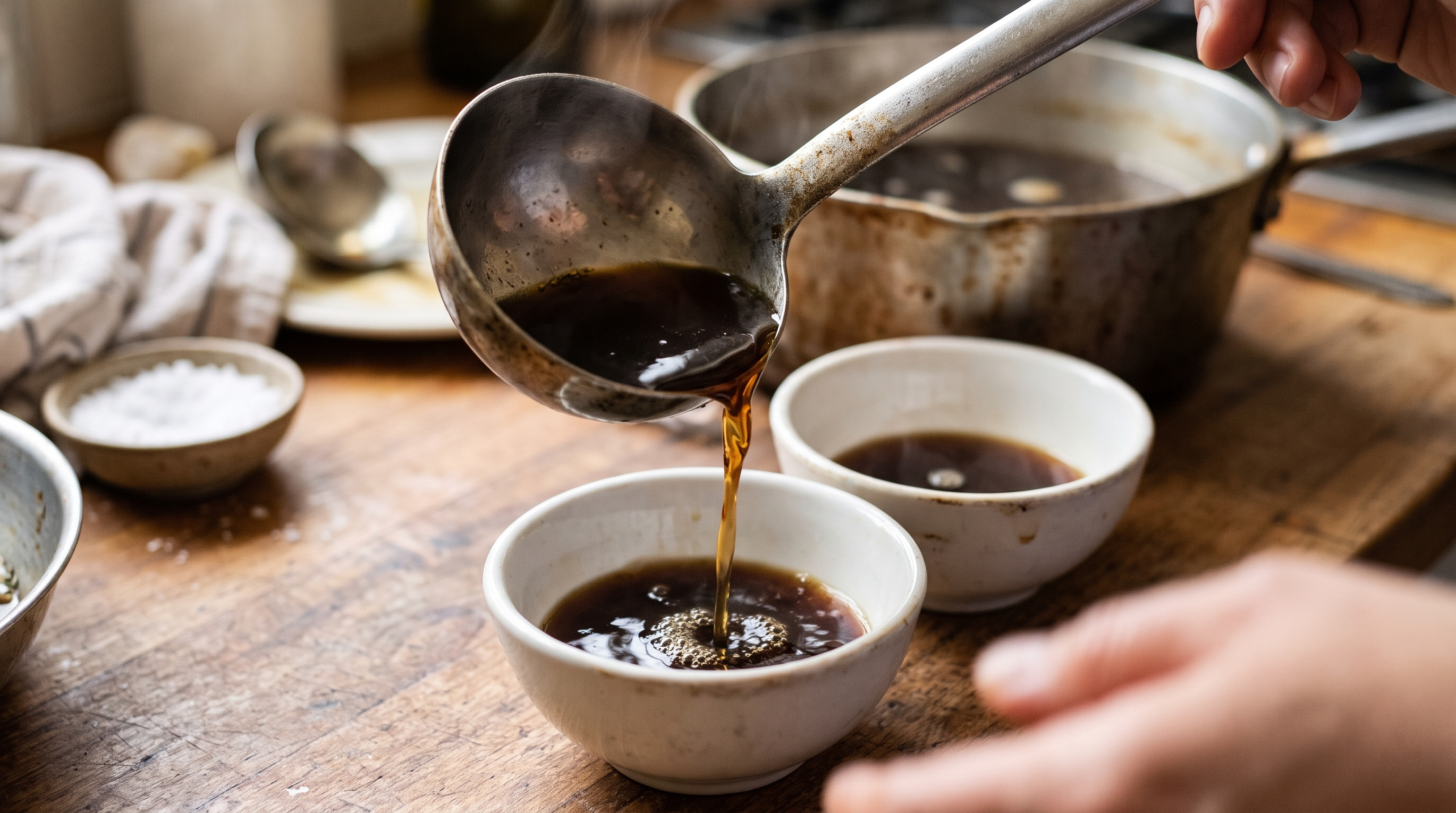
A milky, rich broth does not require hours of boiling beef bones. The opacity is an optical phenomenon created by mechanical fat-in-water emulsification.
💡 Culinary Science 1: Sesame Oil & Beef Fat High-Contact Emulsion Dumping water directly over raw beef and soaked seaweed yields a clear, separated soup where oil floats in isolated globules on the surface. Sautéing beef brisket and seaweed in toasted sesame oil for at least 5 continuous minutes over medium heat causes the beef surface to undergo mild Maillard browning while gelatin and surface proteins loosen. As water is added and brought to a violent rolling boil, microscopic droplets of sesame oil and beef fat become physically suspended in the broth by seaweed polysaccharides (alginic acid). These suspended fat droplets scatter light, transforming the broth into an opaque, milky white bone-broth appearance.
💡 Culinary Science 2: The 1:1 Glutamate-Inosinate Umami Multiplier Seasoning Miyeokguk solely with salt yields a one-dimensional taste, while using only soy sauce turns the broth excessively dark. The secret lies in biochemical synergy: Korean soup soy sauce (guk-ganjang) provides plant-fermented glutamic acid (glutamate), while anchovy fish sauce (myeolchi aekjeot) or tuna fish sauce provides animal-derived inosinic acid (inosinate). When free glutamate binds with purine inosinate at human taste bud receptors, perceived savory umami multiplies up to 7 to 8 times, delivering profound depth with crystal-clear salinity.
2. Essential Ingredients & The Golden Ratio Sauce
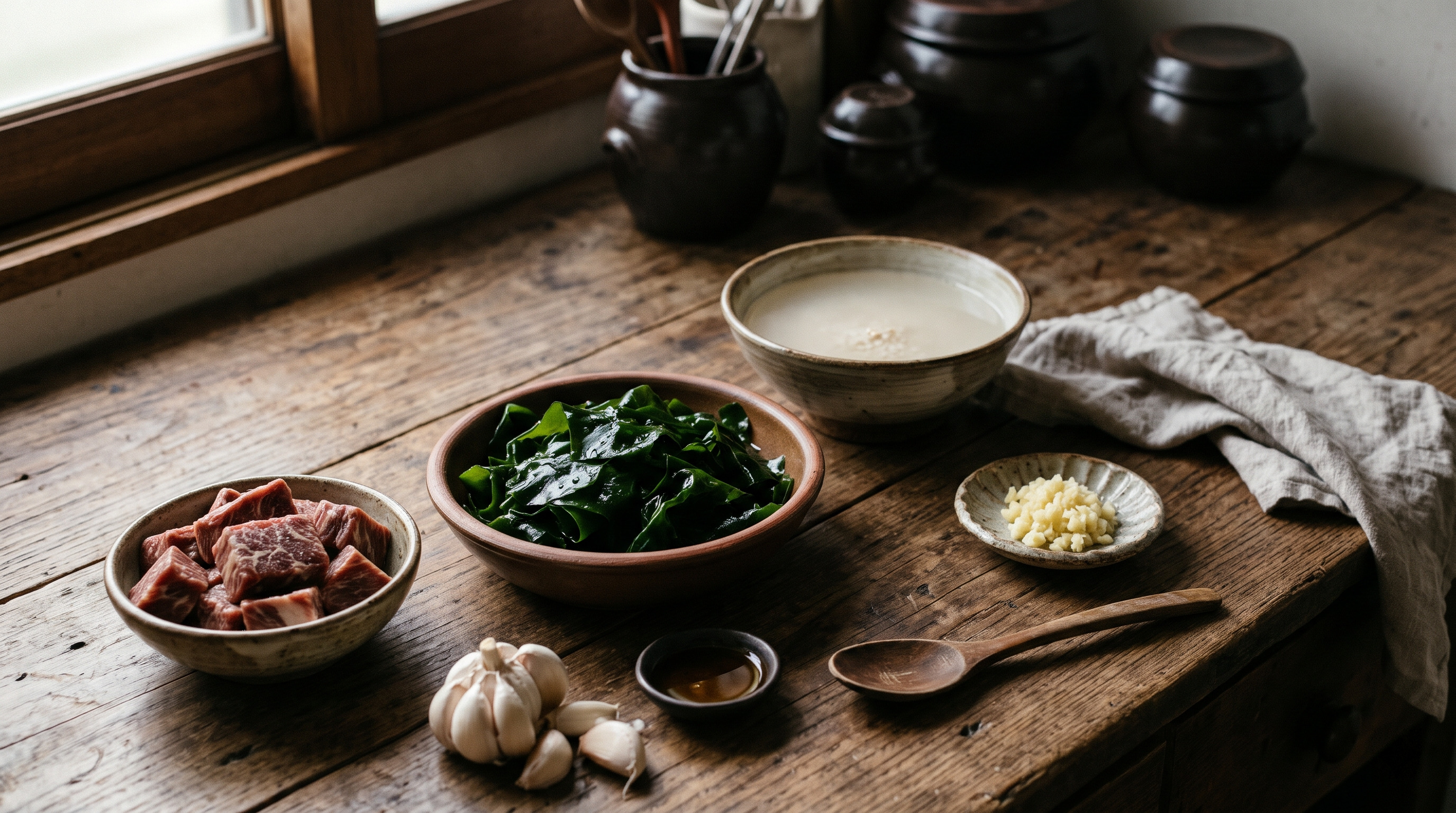
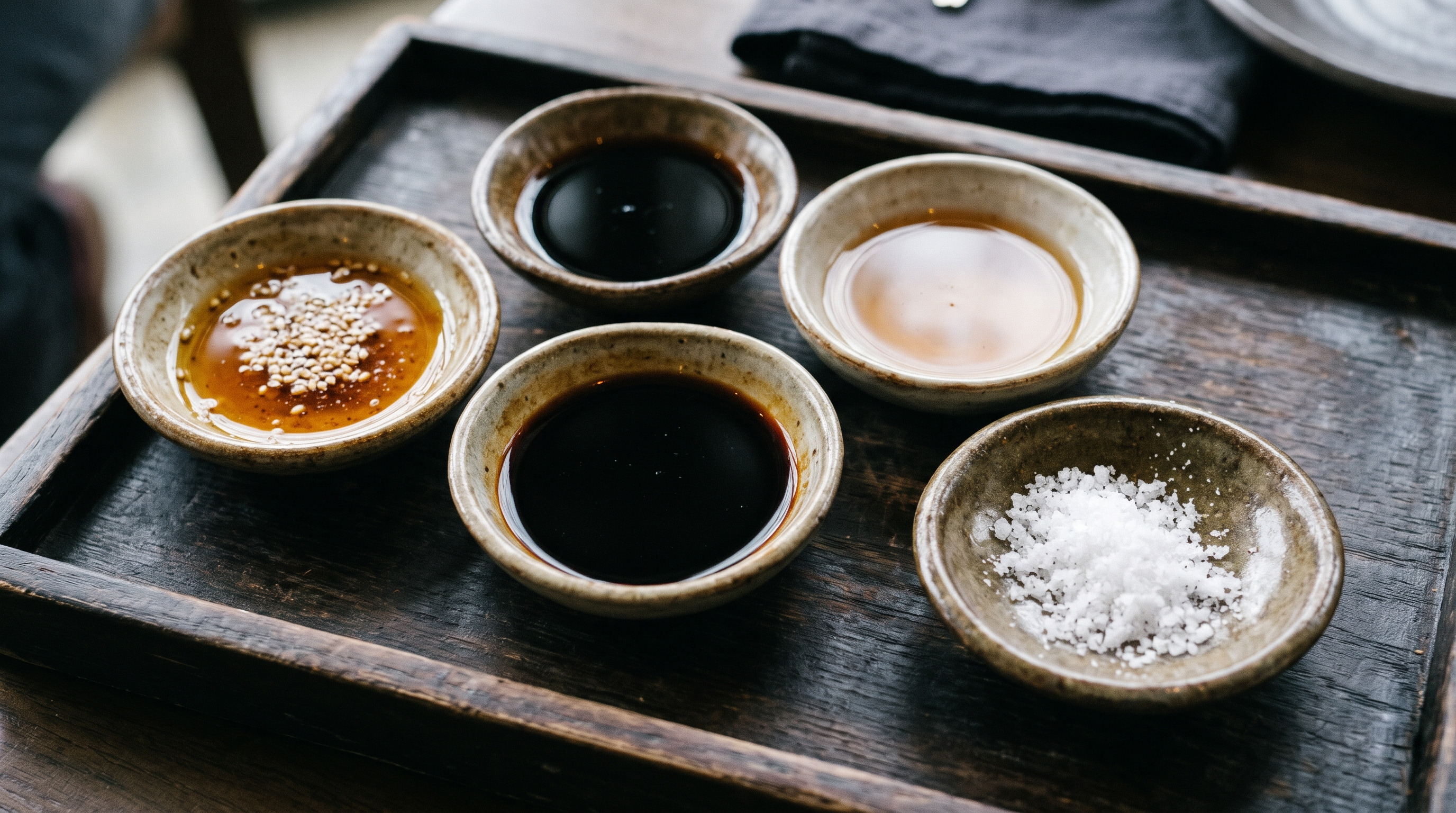
This recipe prepares 4 hearty adult servings. Dried seaweed expands roughly tenfold in volume when hydrated, so measure carefully.
| Category | Ingredients & Amounts (Metric & US) | Chef’s Notes & Substitutions |
|---|---|---|
| Dried Seaweed | 20g (0.7 oz) dried Korean brown seaweed (miyeok) | Yields approx. 2 tightly packed cups once soaked. Choose deep olive-green cut seaweed from H-Mart or Asian markets. |
| Beef Choice | 200g–250g (7–9 oz) beef brisket (yangji) or beef shank | Brisket provides the richest beef flavor and shreds tenderly. Beef chuck or flank steak can also be substituted. |
| Broth Liquid | 1.6L–1.8L (7–8 cups) milky rice water (ssaltteumul) or filtered water | Water from the 2nd/3rd rinse of white rice adds starch that accelerates broth milkiness and absorbs gamey notes. |
| Sautéing Fat | 2 tbsp 100% pure toasted sesame oil (chamgireum) | Deeply toasted Korean sesame oil is essential for authentic nutty aroma and emulsion creation. |
| Aromatic Base | 1 tbsp minced garlic | Garlic deodorizes beef. Note: Never add green onions to Miyeokguk. |
| Dual Umami Duo | 1.5 tbsp Korean soup soy sauce (guk-ganjang) + 1 tbsp anchovy fish sauce | Soup soy sauce (Joseon ganjang) is light in color but deeply salty. Anchovy or tuna fish sauce provides umami depth. |
| Final Seasoning | 1/4 tsp fine sea salt (to taste) + pinch of black pepper (optional) | Fine sea salt brings out the final clean ocean finish without clouding the color. |
3. Step-by-Step Cooking Instructions
The entire soup comes together in 45 to 50 minutes, with the majority being hands-off gentle simmering.
Step 1. Rehydrate Seaweed & Rigorous Rubbing Rinse
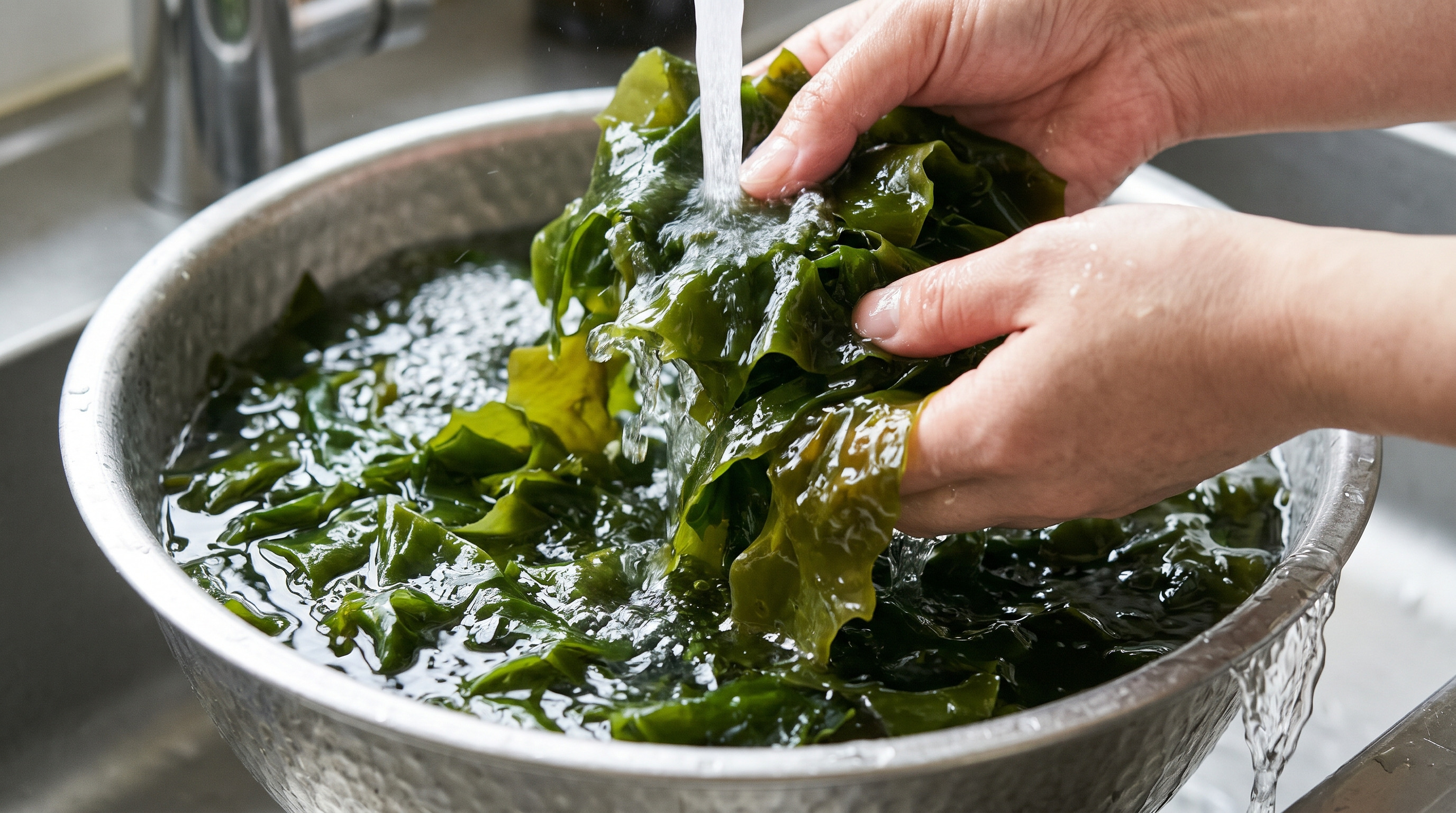
Place 20g (0.7 oz) of dried brown seaweed in a large bowl and submerge in cold water. Let soak for 15 to 20 minutes; the brittle black strips will miraculously expand tenfold into supple, deep-green ruffled ribbons.
Drain the seaweed into a colander. Rub and massage the seaweed vigorously between your hands under cold running tap water, exactly like scrubbing laundry. This essential step washes away excess viscous alginate slime and ocean salinity, ensuring a clean, light soup. Squeeze out excess water with both hands and cut into bite-sized 2-inch lengths with kitchen shears.
Step 2. 5-Minute Sesame Oil Emulsion Sauté (Beef & Seaweed)
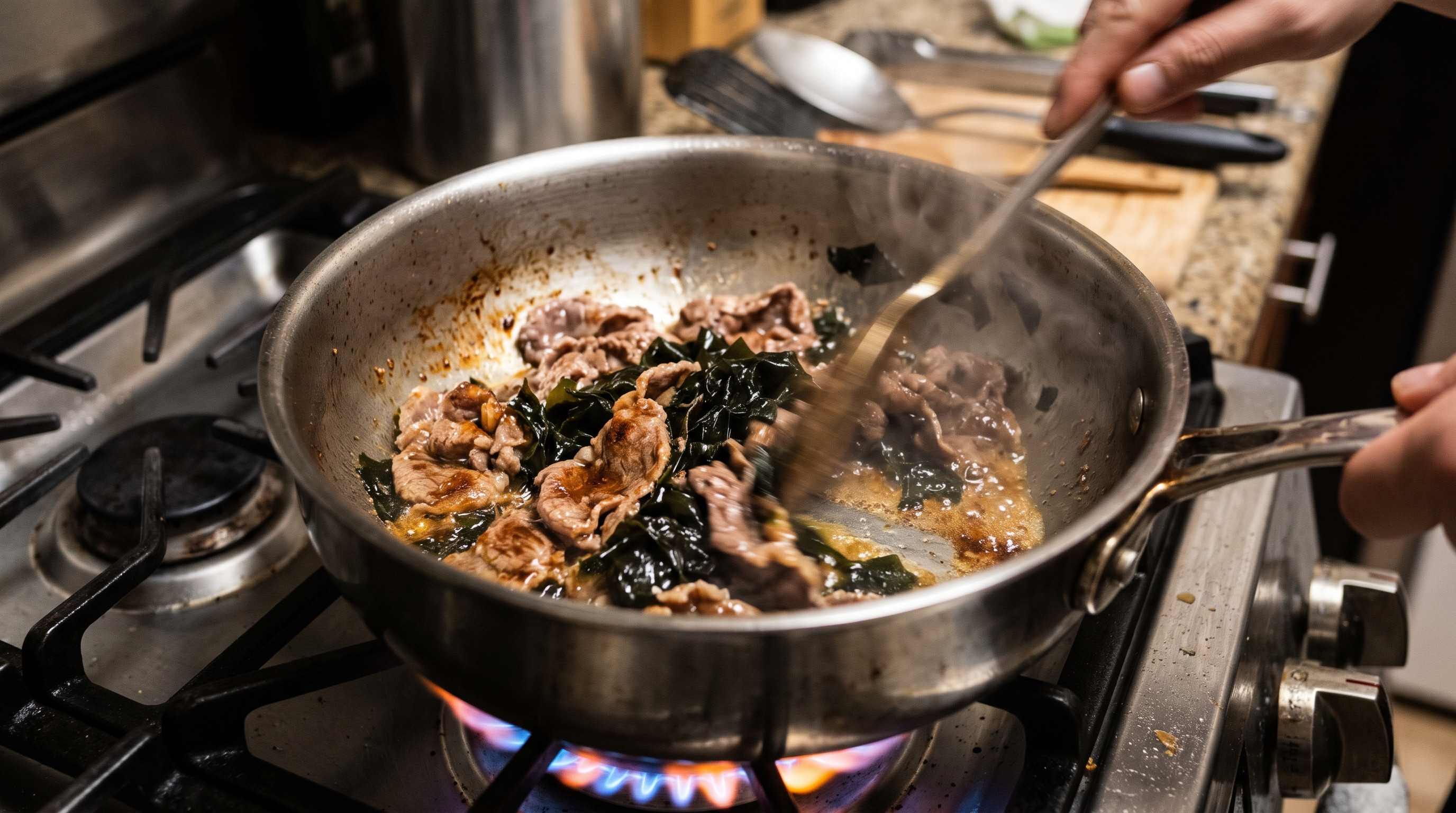
Place a heavy soup pot or Dutch oven over medium heat. Add 2 tablespoons of toasted sesame oil and the diced beef brisket. Sauté the beef for 1.5 to 2 minutes until the red exterior turns light brown and savory fat begins rendering into the sesame oil.
Add 1 tablespoon of minced garlic and 1 tablespoon of Korean soup soy sauce directly onto the beef. Stir for 30 seconds until aromatic, then add the thoroughly squeezed seaweed. Sauté the mixture continuously over medium heat for 4 to 5 full minutes. As moisture releases and evaporates, the seaweed will soften into a pale, translucent tender green while absorbing the beef fat and sesame essence.
Step 3. Pour Rice Water & Rolling Boil for Emulsion
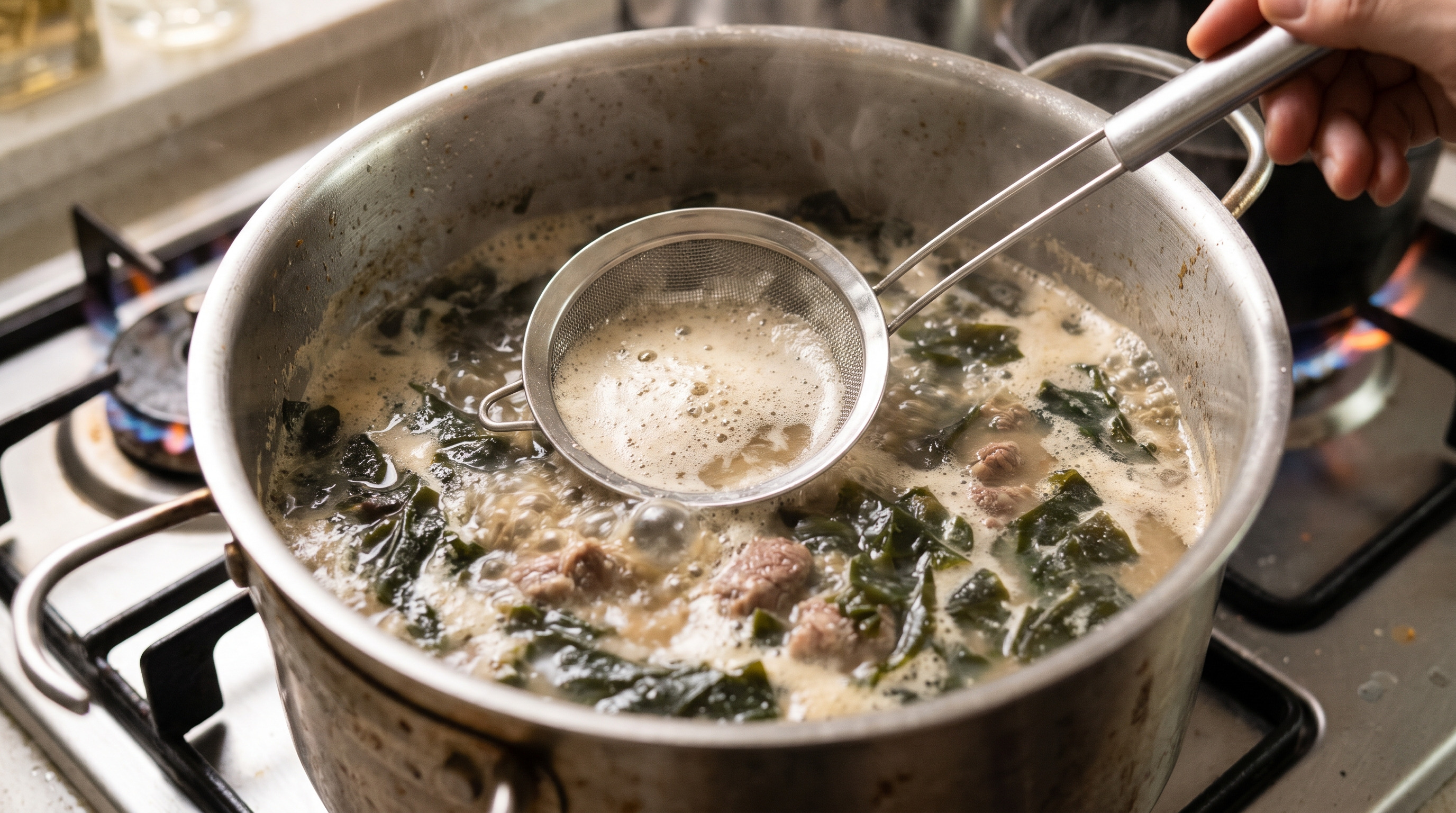
Pour in 1.6 to 1.8 liters (7 to 8 cups) of milky rice water or filtered water. Turn the stove burner to maximum heat and bring the soup to a rapid, uncovered rolling boil.
Keep the soup at a vigorous boil for 10 full minutes. The violent bubbling physically beats the suspended beef fat and sesame oil into the water, while rice starches stabilize the emulsion. You will watch the broth transform from clear brown into an appetizing, creamy, opaque bone-broth white. Skim away any dark scum that surfaces during the first few minutes.
Step 4. Dual Umami Seasoning & Gentle Simmering Infusion
Pour in 1 tablespoon of anchovy fish sauce (or tuna fish sauce) and the remaining 0.5 tablespoon of soup soy sauce. Stir well, then cover the pot with its lid and reduce heat to low.
Simmer gently for 20 minutes. This gentle low-heat stewing allows the beef connective tissues to relax into tender morsels while the seaweed alginic acid softens into a silky texture that melts in the mouth. Turn off the burner and let the soup rest covered for 5 minutes. Taste the broth, add 1 to 2 pinches of fine sea salt if necessary, and ladle generous portions of beef, seaweed, and milky broth into deep soup bowls.
4. Pro Chef Tips to Elevate Your Dish
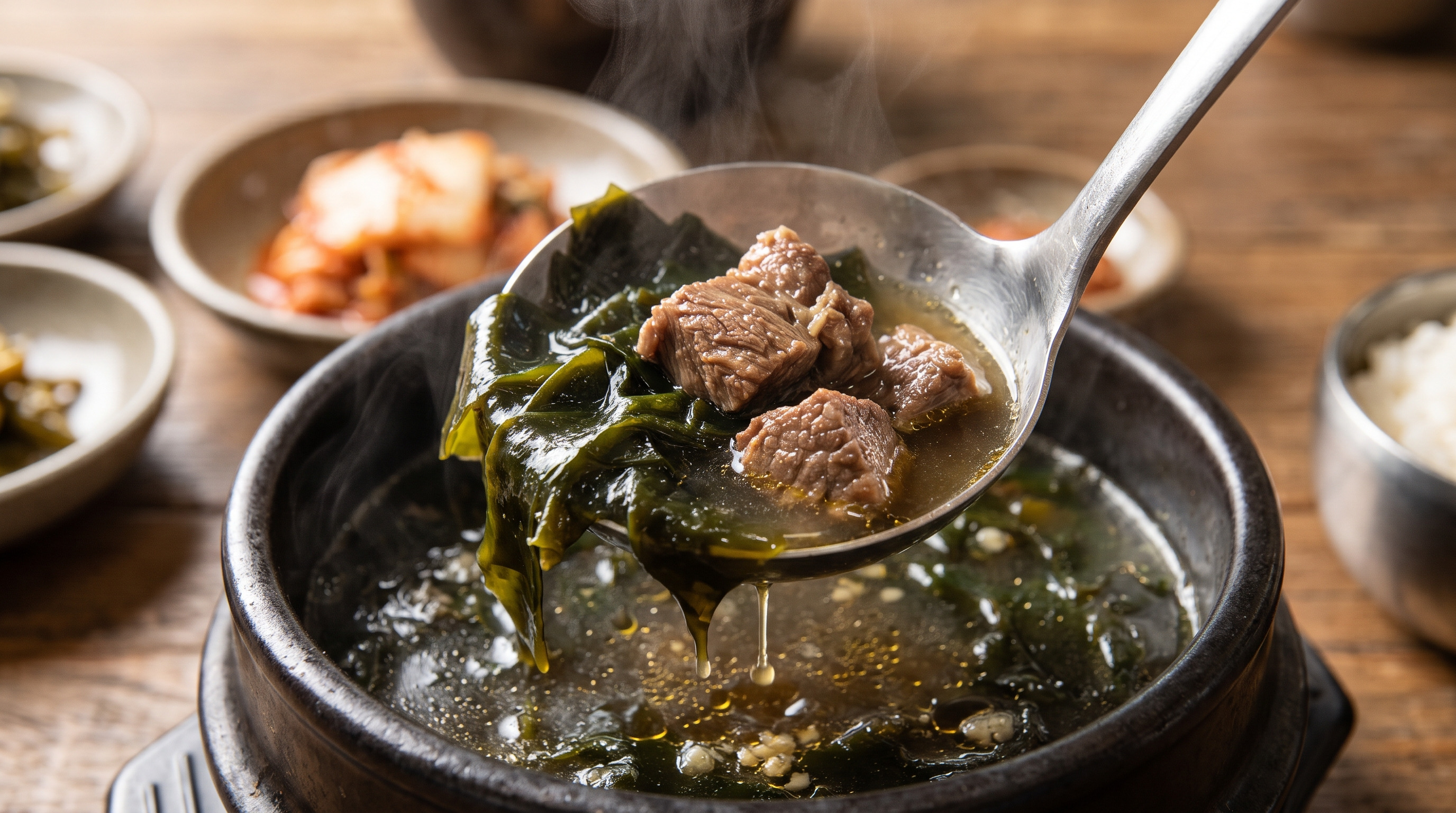
Transform a simple bowl of seaweed soup into a fine dining delicacy with these three professional guidelines:
- Vigorously Rub-Wash Seaweed (Bbak-bbak Munjilleo Ssikkgi): Never merely drain hydrated seaweed. Scrubbing it firmly between your palms like hand-washed laundry strips away oxidized surface bitterness and excess viscous slime. The resulting broth remains crystalline, pure, and refreshing rather than gummy.
- The Secret of Tuna Fish Sauce (Chamchi-Aek): If anchovy fish sauce feels too pungent, substitute with Korean tuna fish sauce (chamchi-aek). Lightly smoked tuna extract adds an elegant, velvety umami that complements seaweed without any fishy aftertaste.
- Miyeokguk Tastes Best the Next Day: Like classic French stews, Miyeokguk undergoes flavor maturation upon cooling. Reheating the soup the following morning allows extracted beef amino acids and seaweed minerals to thoroughly harmonize, producing a broth that is 200% richer than on day one.
5. Frequently Asked Questions (FAQ)
Q1. Should I ever add green onions (scallions) to Miyeokguk?
No! Traditional Korean culinary science strictly avoids green onions in seaweed soup. The sulfur and high phosphorus in scallions interfere with calcium absorption from seaweed, and scallion mucus muddles the clean, nutty seaweed broth.
Q2. What beef cuts yield the deepest flavor for seaweed soup?
Beef brisket (yangji-meori) is the gold standard for rich broth and tender shredded texture. Beef shank (satae) yields a clean broth, while thinly sliced brisket (chadolbagi) works for a quick, richer version (reduce sesame oil to 1 tbsp).
Q3. Why did my soup stay watery and clear instead of turning milky and rich?
This happens if you sauteed the beef and seaweed too briefly, or skipped the 10-minute uncovered rolling boil. Sautéing for 5 minutes followed by vigorous boiling emulsifies sesame oil, beef fat, and seaweed starches into a signature bone-broth white color.
6. Serving Suggestions & Wine/Side Pairing
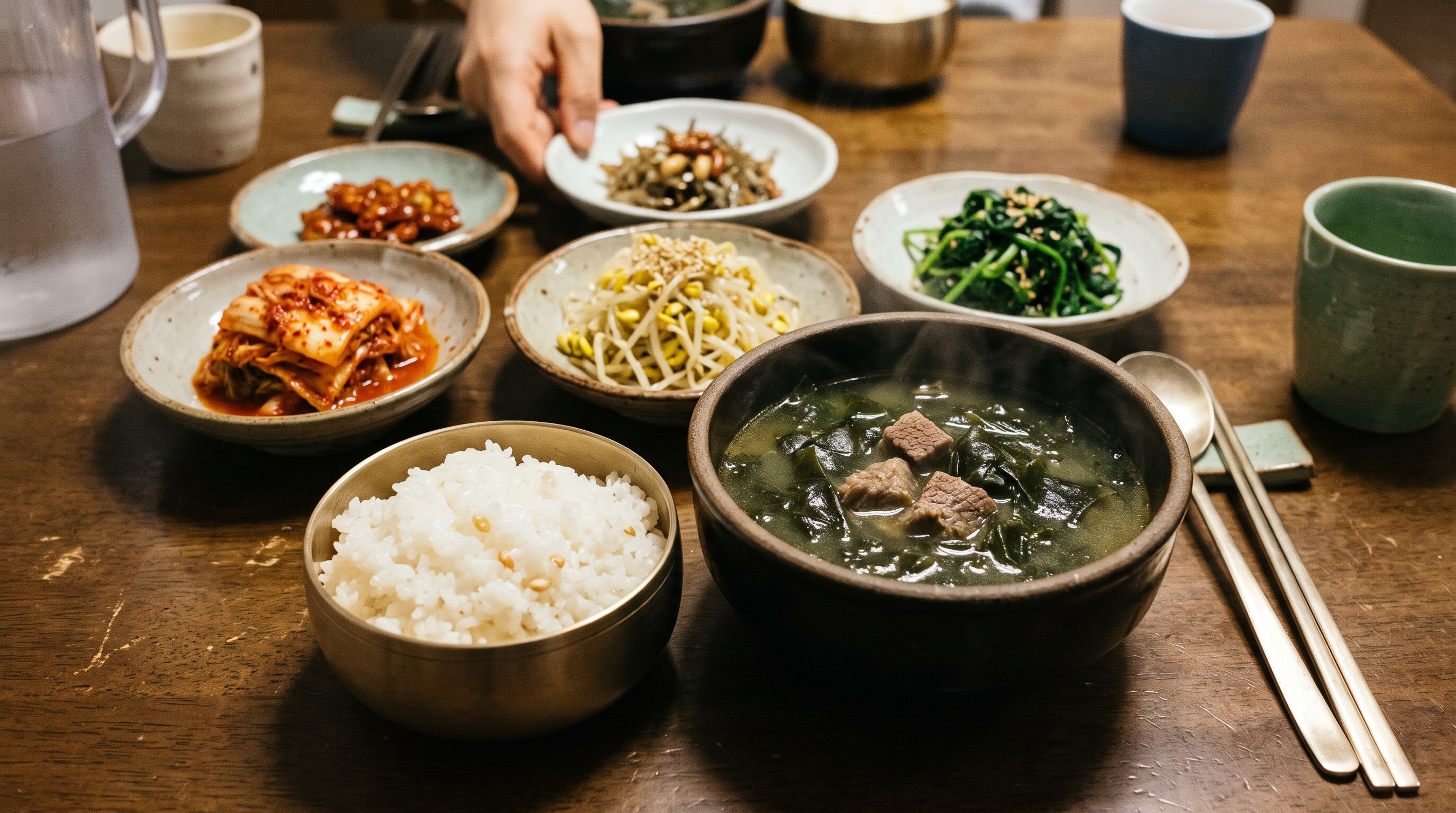
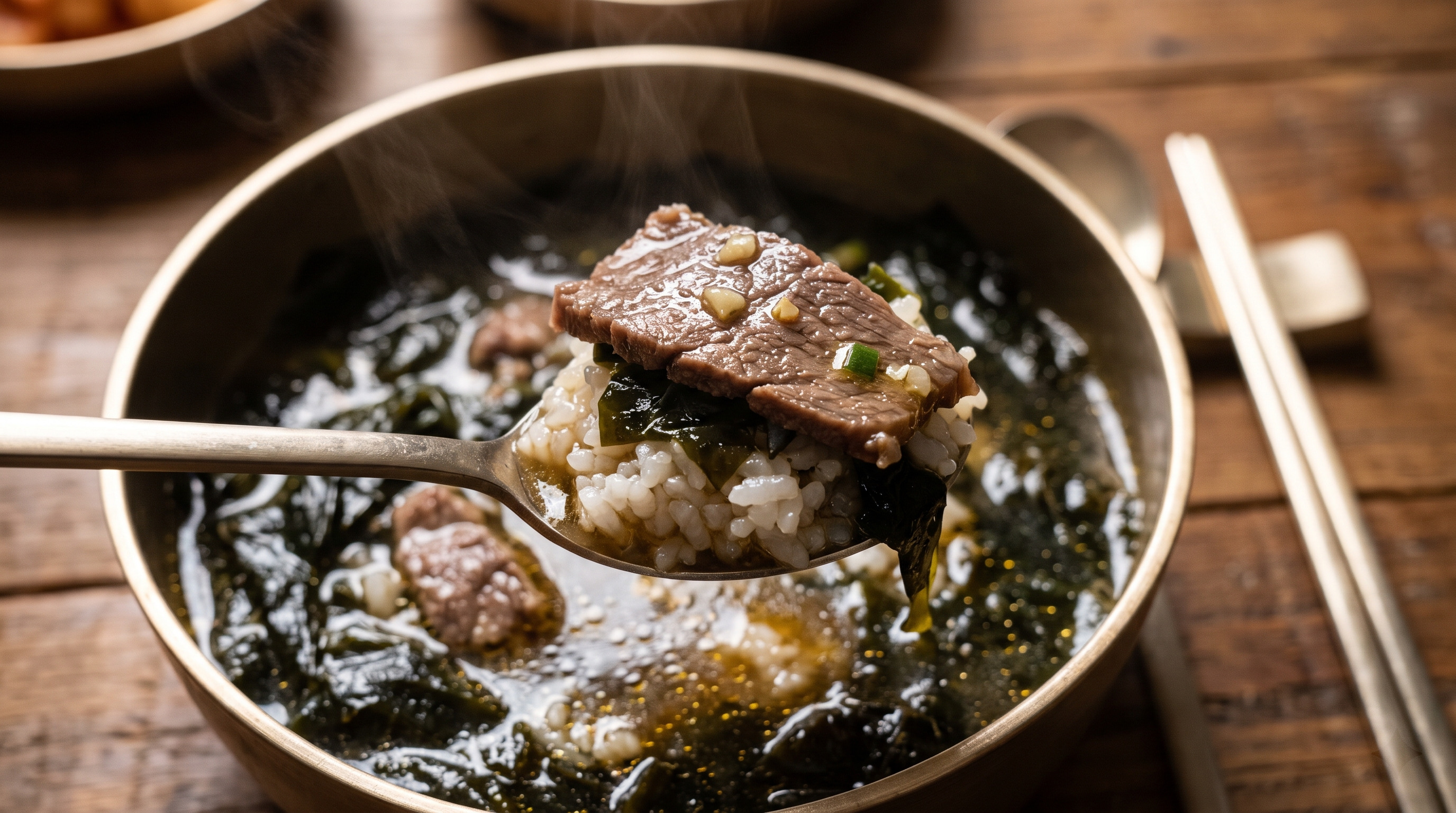
In Korea, the traditional way to savor Miyeokguk is to slide half a bowl of warm white rice directly into the steaming broth (bap mal-a-meokgi). Lift a spoonful of seaweed, tender beef, and broth-soaked rice, top it with a crisp slice of ripe Napa cabbage kimchi, and savor the warm, deeply grounding comfort.
Miyeokguk pairs magnificently with savory home-style Korean mains. Serve it alongside sweet-savory Korean Beef Bulgogi for a festive birthday dinner, or balance it with savory Korean Spicy Braised Tofu (Dubu Jorim). For spicy soup days, contrast with our robust Authentic Pork Kimchi Jjigae.