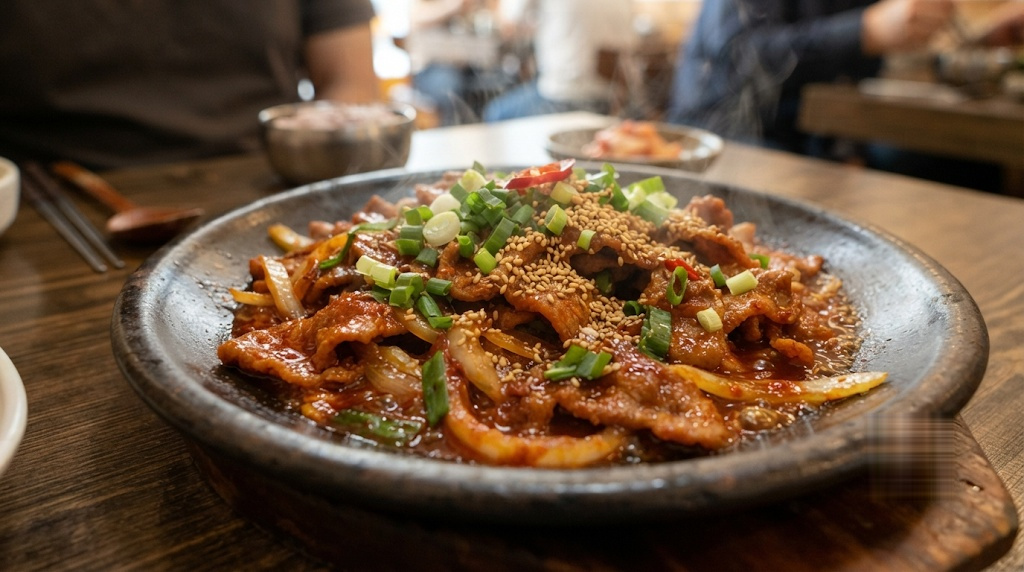
Quick Recipe Snapshot: ⏱️ Prep: 10 mins | 🔥 Cook: 10 mins | 🍽️ Servings: 2–3 | 💡 Key Secret: Never pre-marinate in liquid + sear pork with sugar first for tender meat + scorch soy sauce against the pan rim + flash stir-fry on maximum heat for zero water pooling.
Few culinary experiences represent the soul of Korean dining more vividly than a sizzling platter of Jeyuk Bokkeum (Korean Spicy Stir-Fried Pork). Universally hailed as Korea’s ultimate “rice thief” (bap-doh-dook), this iconic dish features succulent, thinly shaved pork kissed by smoky wok heat, enveloped in a glossy, fiery-sweet crimson glaze of gochugaru, garlic, and caramelized soy sauce.
Yet home cooks frequently end up disappointed by a common kitchen disaster: instead of dry, charred, smoky barbecue-style pork, the meat sits swimming in a pale, watery, soupy puddle, with tough, rubbery meat and limp, mushy vegetables.
The secret behind the legendary flavors of Seoul’s famous taxi driver diners (Gisa Sikdang) comes down to strict food chemistry: osmotic water suppression, sucrose molecular tenderizing, and pan-rim soy pyrolysis.
By changing the order in which you add seasonings and cooking over blistering heat, you can produce authentic restaurant-quality spicy pork at home in just 20 minutes.
1. The Culinary Science Behind Restaurant Flavor
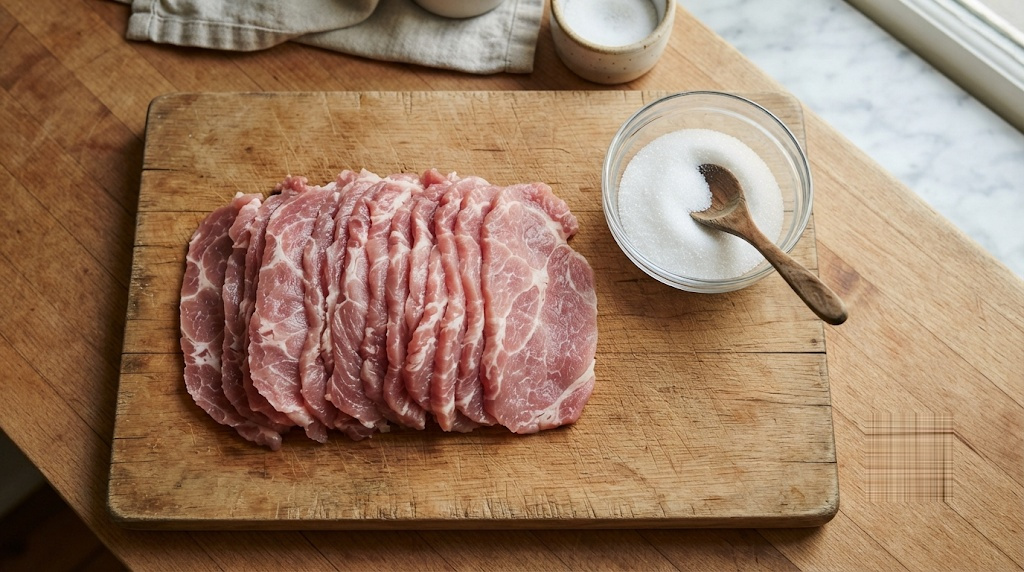
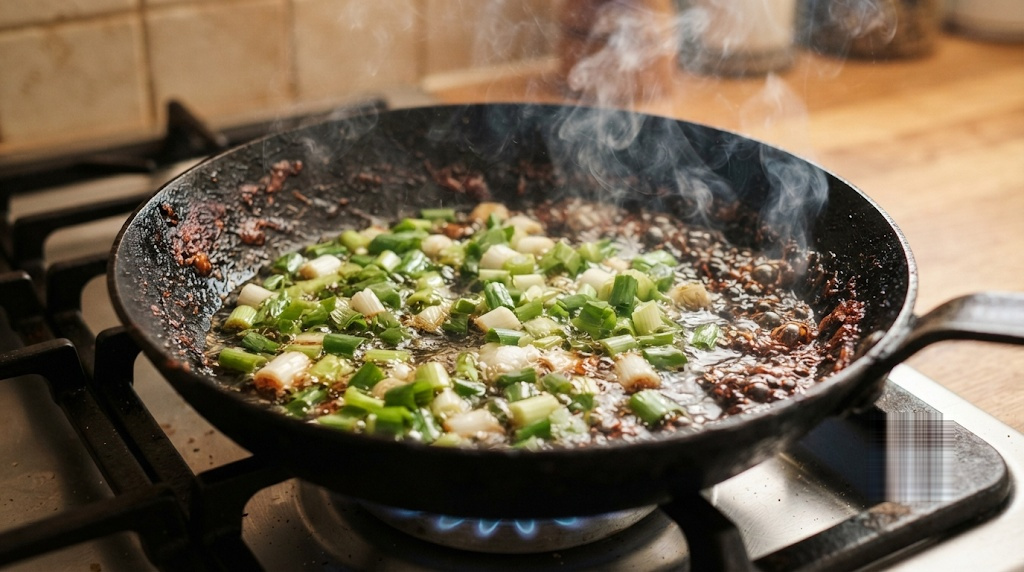
Preventing watery pools while infusing genuine charcoal-like smokiness requires understanding molecular particle sizes and the dynamics of cellular osmosis.
💡 Culinary Science 1: Molecular Weight Hierarchy & Sugar Pre-Coating (Enzymatic Tenderizing)
Sucrose (sugar) has a molecular weight of 342 Da, whereas sodium chloride (salt) is only 58.5 Da. If you coat raw meat with salty soy sauce or gochujang first, the tiny sodium ions instantly penetrate the muscle fibers, causing protein filaments to contract and squeeze out intracellular water. Furthermore, this tight contraction prevents the larger sugar molecules from entering. In contrast, sprinkling 1.5 tbsp of sugar directly onto the hot, searing pork allows the sugar to melt and coat the protein before salt is introduced. Sugar acts as a natural humectant, relaxing the collagen mesh and locking in water molecules so the pork stays exceptionally tender even as it cools.
💡 Culinary Science 2: The Scorched Soy Sauce Rim Technique (Pyrolysis Wok Char)
True restaurant “wok hei” (bulmat) does not require a million-BTU commercial jet burner. When dark soy sauce is poured directly onto the bare, scorching metal bottom of a hot skillet (exceeding 200°C / 392°F), thermal pyrolysis occurs instantaneously. The amino acids and reduced sugars in the brewed soy sauce flash-evaporate and caramelize, releasing rich pyrazine, furan, and phenolic smoke compounds. Swirling the seared pork through this blistered, aromatic reduction coats every bite with an unmistakable charcoal-grilled flavor.
2. Essential Ingredients & The Golden Ratio Sauce
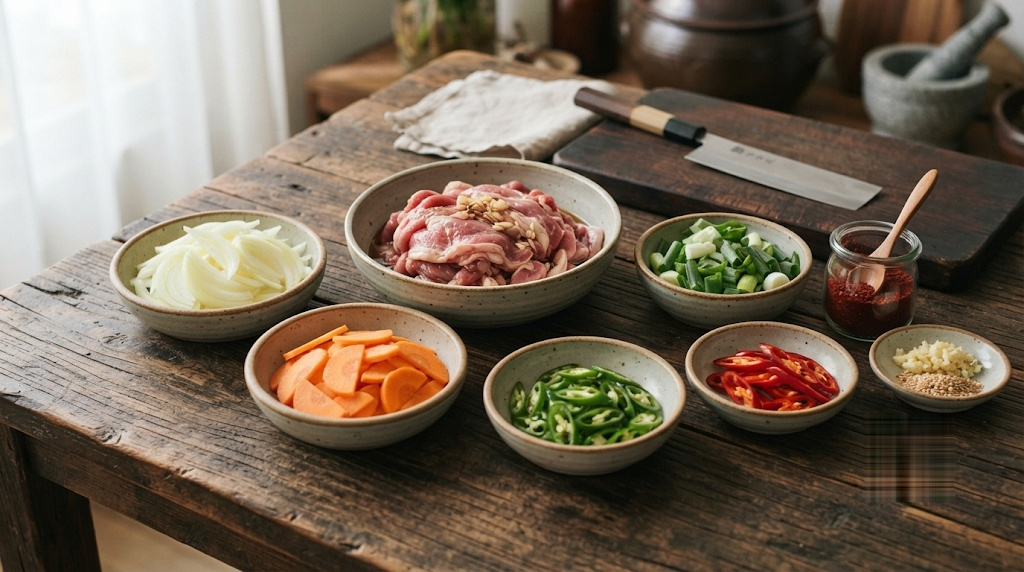
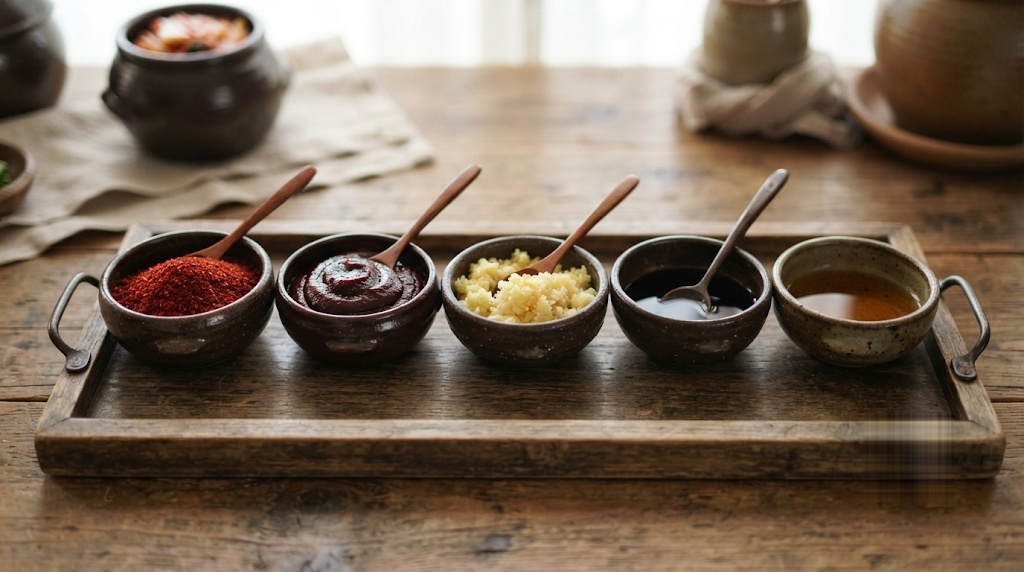
This recipe generously feeds 2 to 3 adults as a hearty main dish. Thinly sliced pork front shoulder (dwaeji apdarissal) or pork collar (moksal) is the ideal cut, offering the perfect balance of chewy muscle, connective tissue, and rich intramuscular fat.
| Category | Ingredients & Amounts (Metric & US) | Chef’s Notes & Substitutions |
|---|---|---|
| Pork Selection | 400–500g (14–17.6 oz) Thinly Sliced Pork Front Shoulder or Pork Belly | Shaved thin (2mm / K-BBQ bulgogi cut) so it sears rapidly. Pork shoulder is cost-effective and tender; belly adds rich decadence. |
| Alliums & Vegetables | 1/2 Yellow Onion (100g), 1 Scallion stalk, 1/4 Carrot (50g) | Slice onions and carrots thickly (0.5cm) so they retain crisp structure during the high-heat stir-fry. |
| Chili Heat | 2 Korean Green Chilies (Cheongyang) or Jalapeños, 1/2 Red Chili | Fresh chilies provide sharp, grassy heat that cuts through pork fat and provides vibrant red and green plating contrast. |
| Searing Foundation | 1 tbsp Cooking Oil, 1.5 tbsp Granulated Sugar, 2 tbsp Dark Soy Sauce | Sugar caramelizes first for tenderness; soy sauce scorches against the pan rim for authentic smoky depth. |
| Golden Red Sauce Ratio | 2.5 tbsp Korean Chili Flakes (Gochugaru) + 1.5 tbsp Korean Chili Paste (Gochujang) | The 2.5 : 1.5 ratio prevents the sauce from turning thick, gummy, or overly salty, ensuring a bright, punchy, and clean heat. |
| Aromatic Seasoning | 1.5 tbsp Minced Garlic, 2 tbsp Mirin, 1 tbsp Oligo Syrup, 1/3 tsp Black Pepper | Garlic is essential for classic K-BBQ aroma; mirin and oligo syrup (or corn syrup/honey) provide a glossy, appetizing lacquer. |
| Finishing Aromatics | 1/2 tbsp Toasted Pure Sesame Oil, 1 tbsp Toasted Sesame Seeds, Perilla Leaves | Always swirl sesame oil off the heat to preserve its delicate, volatile roasted fragrance. |
3. Step-by-Step Cooking Instructions
Step 1. Prep Vegetables & Whisk Spicy Paste
Slice the yellow onion into thick wedges and the carrot into thin half-moons. Diagonally cut the green and red chilies. Cut the scallion into 4cm (1.5-inch) lengths, setting aside 2 tablespoons of finely minced white scallion for starting the scallion oil. In a small bowl, whisk together 2.5 tbsp gochugaru, 1.5 tbsp gochujang, 1.5 tbsp minced garlic, 2 tbsp mirin, 1 tbsp oligo syrup (or honey), and 1/3 tsp black pepper until a uniform crimson paste forms. Pat the pork thoroughly with paper towels.
Step 2. Sear Pork in Scallion Oil & Coat with Sugar
Heat 1 tablespoon of neutral cooking oil in a large wok or heavy skillet over high heat. Add the 2 tablespoons of finely minced white scallion and stir-fry for 30 seconds until fragrant. Add the thinly sliced pork, spreading the meat across the hot pan surface. Let the pork sear undisturbed for 90 seconds until the edges turn golden and fat begins rendering. Sprinkle 1.5 tablespoons of granulated sugar evenly across the hot meat. Stir-fry vigorously for 1 to 2 minutes; the sugar will melt, coat the pork with a light golden caramel, and enzymatically tenderize the protein fibers.
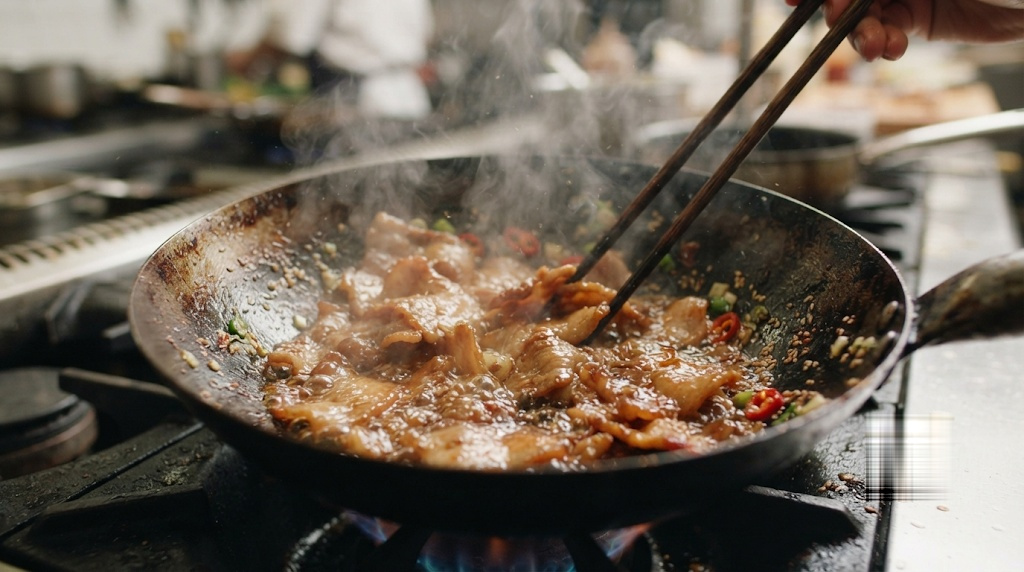
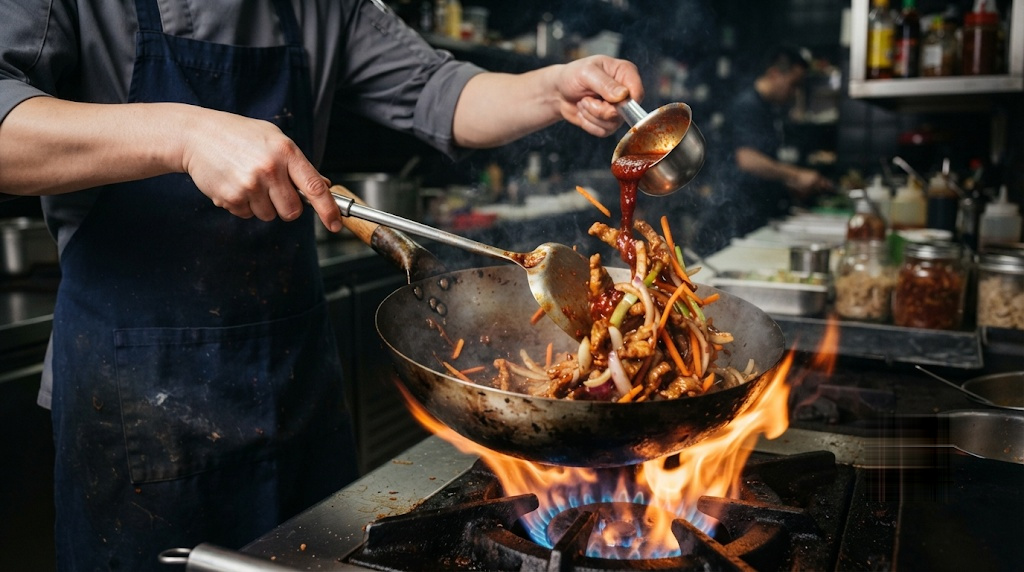
Step 3. Scorched Soy Sauce Rim Technique
Push the seared, sugar-coated pork to one side of the wok. Pour 2 tablespoons of dark soy sauce directly onto the exposed, smoking hot metal surface of the pan. The soy sauce will immediately hiss, bubble violently, and scorch. Allow it to caramelize for 3 to 5 seconds, then immediately toss the pork through the foaming soy sauce. This infuses the entire batch with intoxicating wok smokiness.
Step 4. Flash Stir-Fry with Sauce & Crisp Vegetables
Add the prepared spicy red paste, the onion wedges, and sliced carrots directly into the wok. Keep the burner at maximum high heat. Stir-fry continuously and aggressively with a spatula for 90 to 120 seconds. The paste will melt into the rendered pork fat and coat every piece of meat in a glossy, clinging crimson glaze without a single drop of pooled water. Toss in the scallion greens and sliced green/red chilies, cooking for just 30 seconds. Turn off the heat. Swirl in 1/2 tablespoon of toasted sesame oil and sprinkle with toasted sesame seeds. Serve immediately with warm rice and fresh lettuce leaves.
4. Pro Chef Tips to Elevate Your Dish
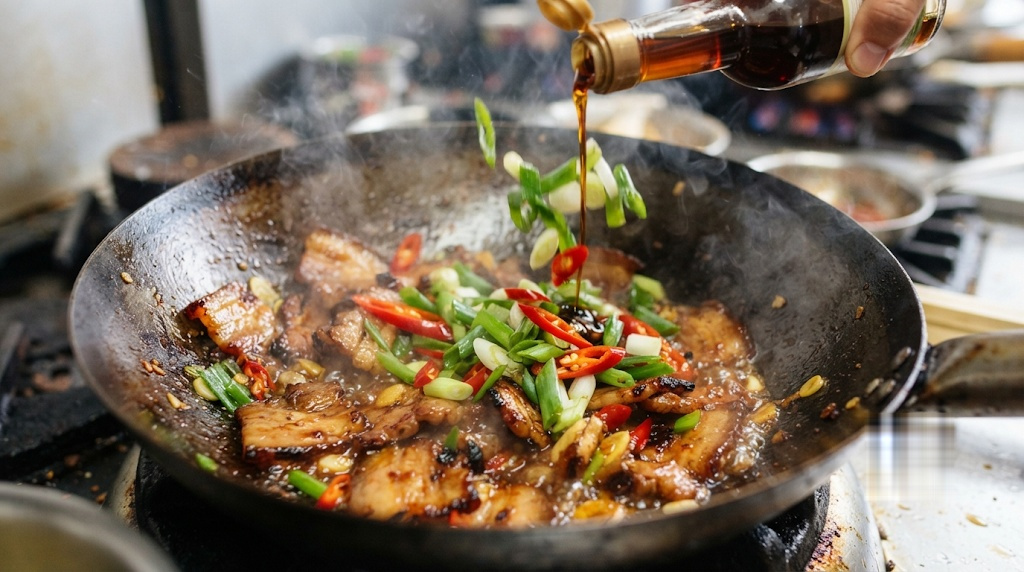
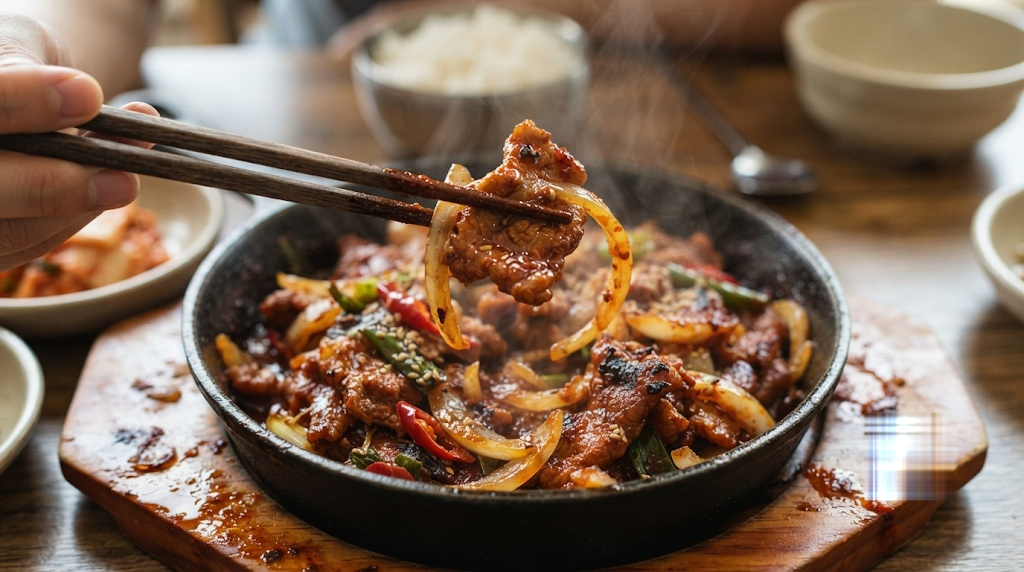
Follow these three chef-tested techniques from Korean roadside master chefs to ensure your Jeyuk Bokkeum turns out flawless:
- The High-Heat 2-Minute Speed Rule:
The number one culprit behind watery Jeyuk Bokkeum is cooking over a timid flame for too long. Vegetables begin collapsing and weeping water once their internal cell walls rupture at high temperatures over time. By searing the pork fully before adding the vegetables, you only need 90 to 120 seconds of high-heat flash stir-frying to coat the ingredients, ensuring the vegetables stay wonderfully crisp and juicy inside. - The Pork Shoulder & Belly Ratio:
Thinly sliced pork front shoulder (apdarissal) is economical and offers great chew, but adding 20–30% thinly sliced pork belly (samgyeopsal) elevates the dish to restaurant luxury. The rendered pork belly fat dissolves into the gochugaru, transforming the spicy paste into a glossy, velvety emulsion that coats the tongue. - Swirl Sesame Oil Off the Stove:
Pure toasted sesame oil has delicate, heat-sensitive aroma compounds that oxidize and turn rancid under extreme wok heat. Always turn off the stove completely before drizzling your sesame oil and tossing in fresh perilla leaf ribbons (kkaennip). The gentle carryover heat releases their heavenly fragrance right as the plate arrives at the table.
5. Frequently Asked Questions (FAQ)
Q1. Why does my stir-fried pork pool so much watery liquid when I marinate it beforehand?
Pre-marinating raw pork and vegetables with salt and soy sauce pulls out internal water through osmosis. When added to the pan, the meat boils in its own juices instead of searing. Searing the meat first, coating with sugar, and flash-frying the sauce on high heat eliminates watery pools completely.
Q2. Can I adjust this recipe if I dislike the thick, sticky paste taste of gochujang?
Yes! If you prefer a sharper, cleaner, and less sweet profile, drop the gochujang down to 1 tbsp (or 1/2 tbsp) and increase fine Korean chili flakes (gochugaru) to 3 tbsp. This creates the vibrant, dry-charred style favored by Korean truck-stop diners.
Q3. My pork turns out tough or dry. How can I ensure it stays melt-in-your-mouth tender?
Choose thinly sliced pork shoulder or belly (approx. 2mm thick). If your pork is slightly thicker, toss it with 1 tbsp mirin and 2 tbsp grated Korean pear (or Asian pear juice) 10 minutes before cooking. The natural fruit enzymes break down tough connective collagen. Most importantly, always sear the pork with sugar first before adding any salt.
6. Serving Suggestions & Conclusion
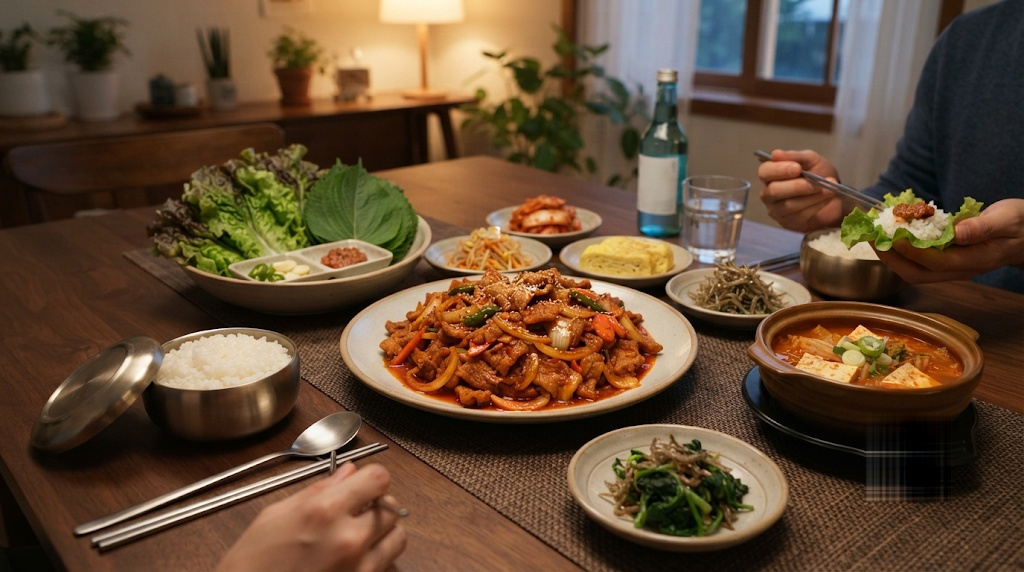
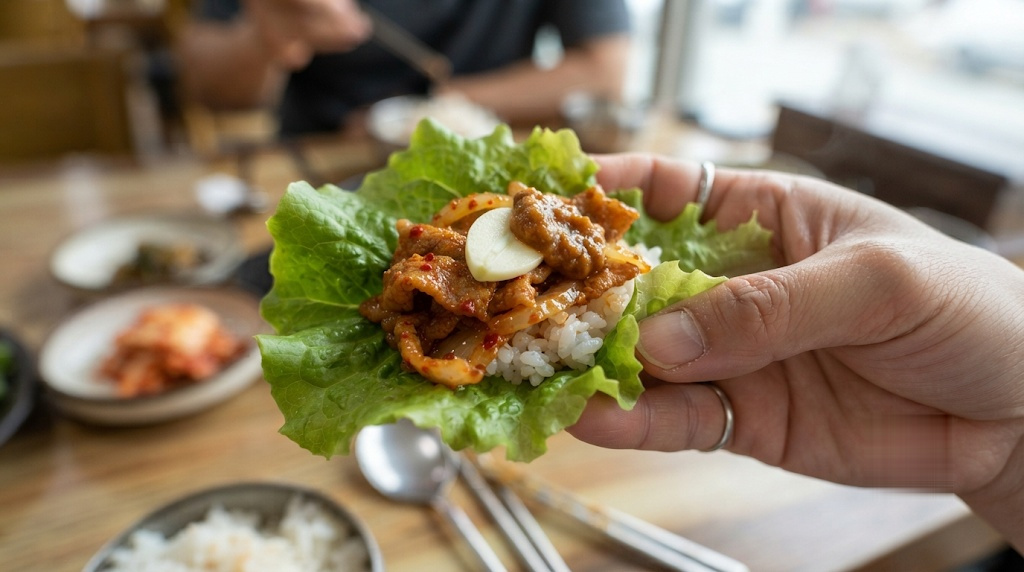
Jeyuk Bokkeum is traditionally enjoyed family-style with a lavish Korean ssam (wrap) platter: fresh green leaf lettuce, fragrant perilla leaves (kkaennip), sliced raw garlic cloves, green chili peppers, and savory Ssamjang (Korean Seasoned Soybean Paste). Take a lettuce leaf, top with a spoonful of warm steamed rice, a piece of smoky charred spicy pork, and a dab of ssamjang, and wrap it into a bite-sized package.
To create an authentic Korean barbecue table spread, pair this spicy pork alongside comforting Pork Kimchi Jjigae or sweet, savory Beef Bulgogi. If you love spicy stir-fries, try our legendary Spicy Squid Stir-Fry (Ojingeo Bokkeum), which utilizes this exact high-heat technique!
By coating the meat in sugar first, scorching the soy sauce along the wok rim, and flash-cooking over high heat, you will never suffer from watery stir-fried pork again. Dish up a steaming bowl of rice, fire up your pan, and enjoy the ultimate Korean street-food classic tonight!