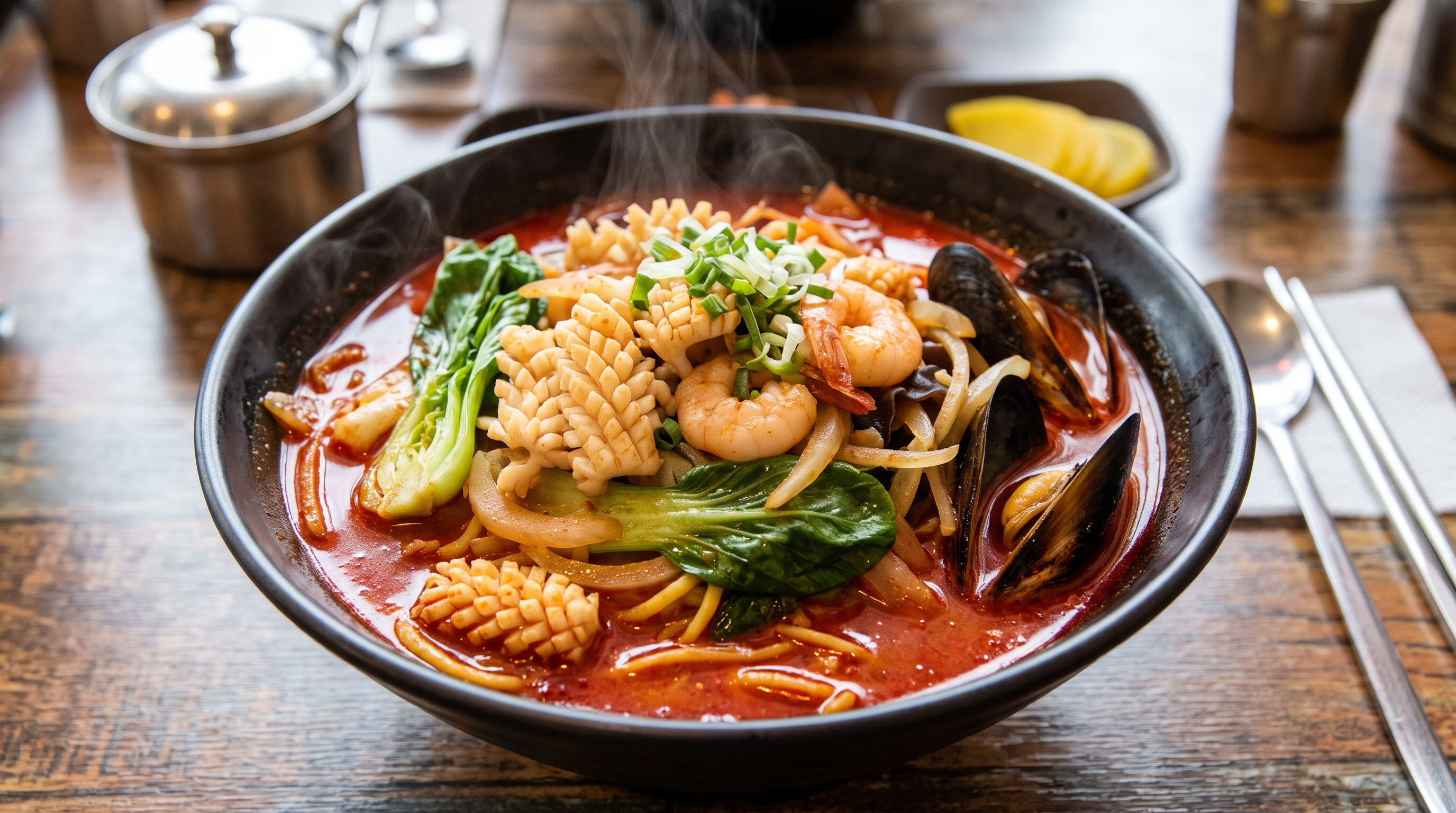
Quick Recipe Snapshot: ⏱️ Prep: 15 mins | 🔥 Cook: 15 mins | 🍽️ Servings: 2–3 | 💡 Key Secret: Flash-sear soy sauce on blazing wok rim for smoky Wok Hei + bloom gochugaru in chili oil + blend beef bone broth (sagol) with seafood.
Deep, fiery red, bursting with sweet calamari, plump prawns, tender clams, and crunchy cabbage, Seafood Jjamppong (해물 짬뽕) is the crowning glory of Korean-Chinese cuisine. Beloved across Korea alongside its black bean sibling Jajangmyeon, a bowl of piping hot Jjamppong delivers an exhilarating balance of smoky wok char, sweet ocean brininess, and palate-cleansing chili heat.
Yet, home cooks often struggle to recreate that authentic restaurant magic. Common complaints include: the soup tastes thin, watery, and harsh like spicy tap water; the squid turns rubbery and tough; or the red color is dull and murky without that intoxicating smoky aroma (Wok Hei).
In commercial Chinese restaurant kitchens, chefs master this dish using two culinary science techniques: pyrolytic soy sauce caramelization to forge signature wok hei without a jet burner, and lipid-collagen broth emulsification combining beef bone broth (sagol) with delicate flash-cooked seafood.
Here is the ultimate master-chef guide to creating restaurant-quality Korean Seafood Jjamppong right on your home stovetop.
1. The Culinary Science Behind Wok Hei & Rich Seafood Broth
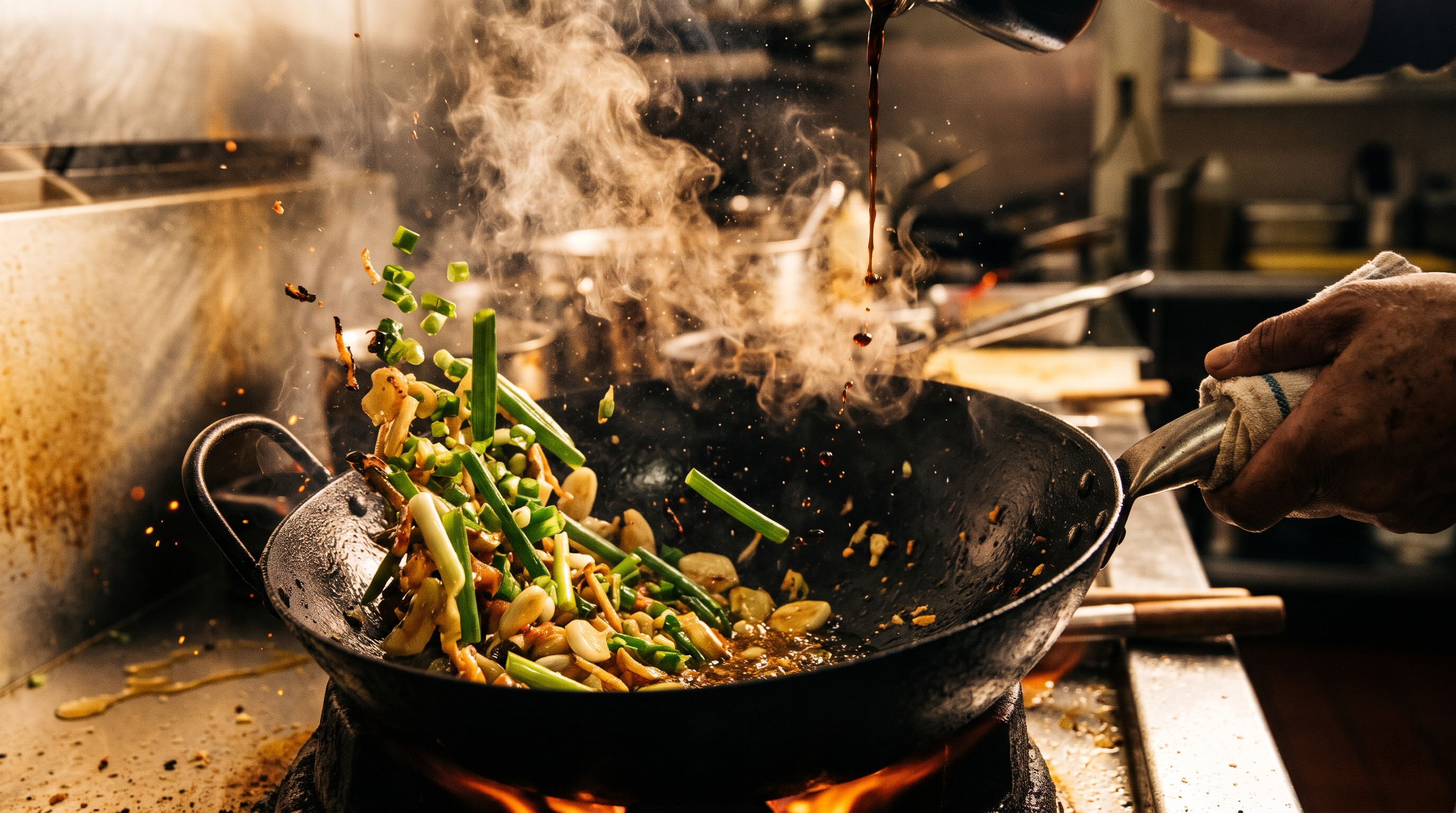
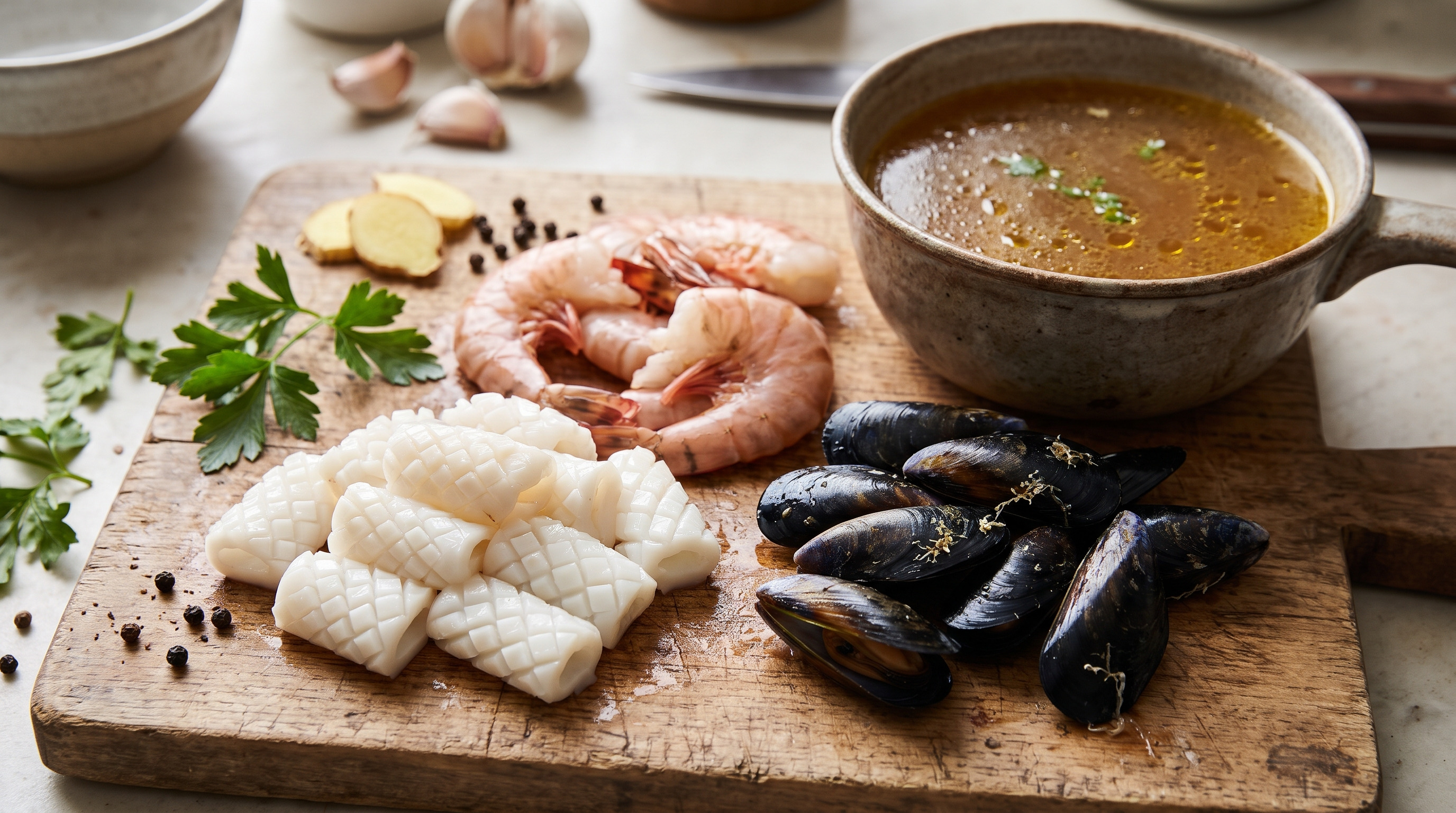
To produce the intense, soul-satisfying depth of a professional Chinese noodle kitchen, your cooking must leverage two scientific principles:
💡 Culinary Science 1: Wok Hei via Soy Sauce Caramelization & Lipophilic Capsaicin Bloom You don’t need a commercial 100,000-BTU burner to capture smoky Wok Hei (breath of the wok). When you swirl soy sauce along the red-hot outer sloping perimeter of a preheated wok, the amino acids and sugars in the fermented soy sauce flash-vaporize at 200°C (392°F). This rapid pyrolytic caramelization produces volatile pyrazines that infuse the entire dish with unmistakable wood-fired char. Furthermore, gently blooming fine gochugaru in hot chili oil dissolves the fat-soluble capsaicin, creating a brilliant crimson sheen without the bitter grit of boiled raw chili powder.
💡 Culinary Science 2: Gelatin-Rich Sagol Broth Emulsion & Seafood Flash-Cooking Shellfish and cephalopod proteins (squid, shrimp, and clams) contain delicate muscle fibers. When heated past 80°C (176°F) for more than 3 minutes, their myofibrillar proteins rapidly contract, squeezing out trapped cellular water and turning the meat unpleasantly rubbery. The restaurant solution is two-fold: flash-fry the seafood for under 60 seconds, and use a 50/50 blend of water and Korean beef bone broth (sagol yuksu). The rich dissolved gelatin and emulsified tallow in bone broth coat the tongue, providing a velvety, heavy body that anchors the oceanic brininess.
2. Essential Ingredients & The Golden Ratio Jjamppong Base
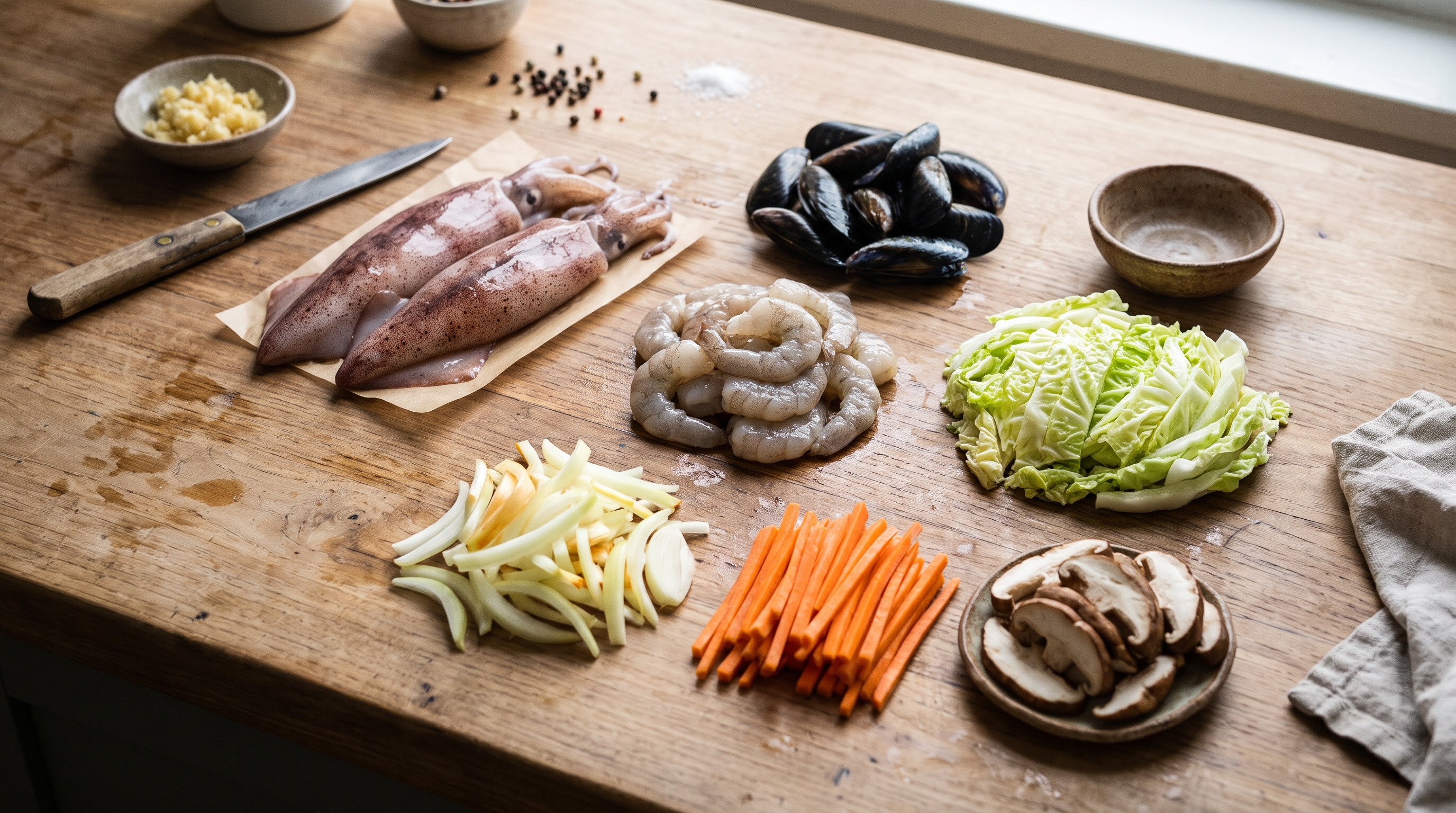
Here are the precise measurements for 2 to 3 generous servings, provided in both metric and US kitchen standards.
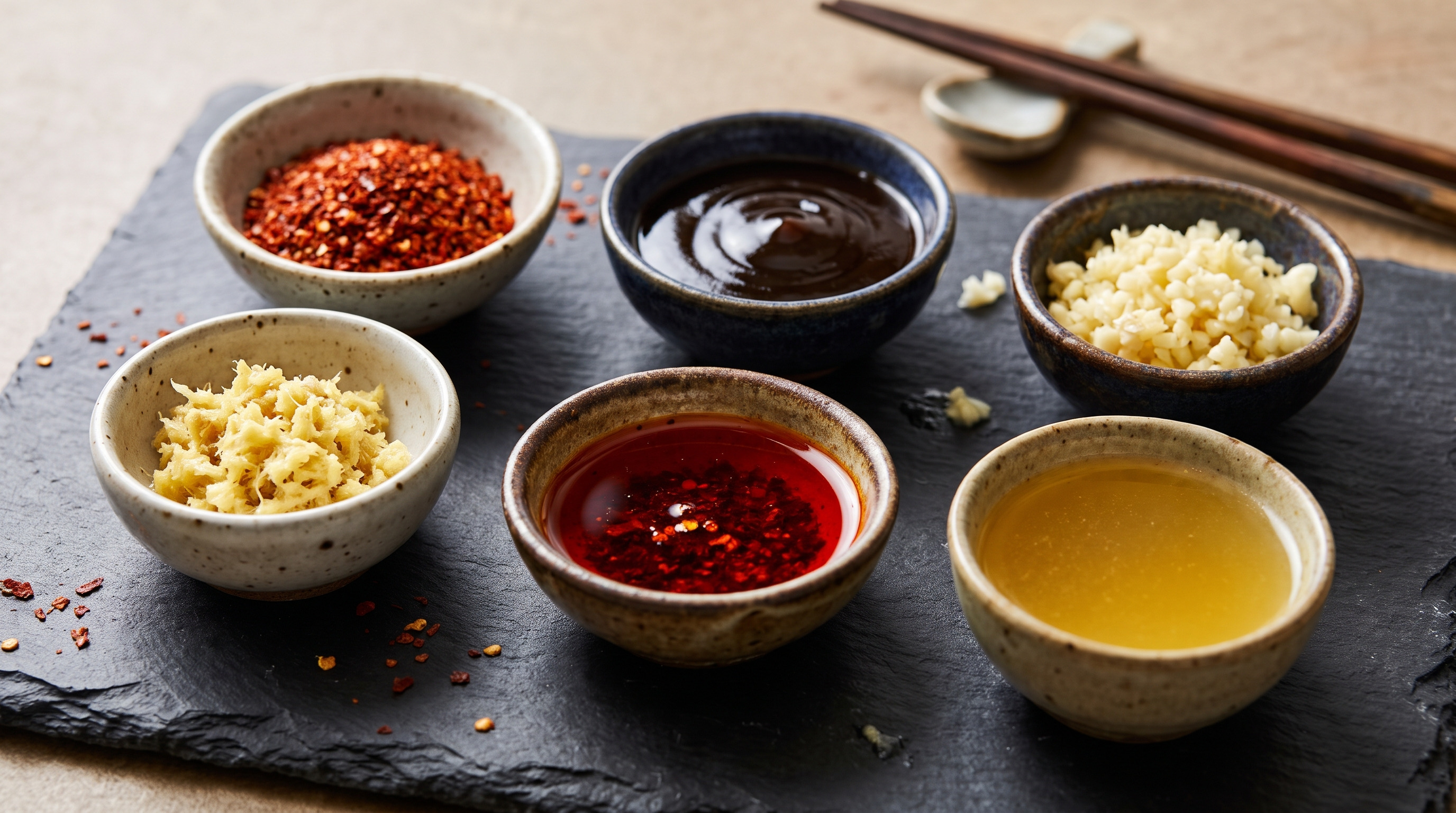
| Category | Ingredients & Amounts (Metric & US) | Chef’s Notes & Substitutions |
|---|---|---|
| Ocean Seafood Medley | • Fresh Squid (Calamari): 1 medium (approx. 200g / 7 oz) • Large Shrimp: 8–10 pcs, peeled & deveined • Manila Clams (or Mussels): 1 cup (150g / 5.3 oz) | Crosshatch scoring on squid tenderizes muscle fibers and traps savory broth. Manila clams release sweet succinic acid. |
| Fresh Vegetables | • Napa Cabbage: 3 large leaves (diced) • Yellow Onion: 1/2 medium (sliced) • Carrot: 1/4 medium (julienned) • Scallion: 1 stalk (3cm batons) • Shiitake (or Wood Ear): 2 pcs • Green Chilies (Cheongyang/Jalapeño): 1–2 pcs | High-heat stir-fried cabbage and onion caramelize, creating the natural vegetal sweetness essential to balance spicy broth. |
| Wheat Noodles | • Fresh Chinese Wheat Noodles (Jungwhamyeon): 2 servings (300g / 10.5 oz) | Thick, chewy yellow wheat noodles found at Asian markets (H-Mart). Fresh ramen noodles or Korean kalguksu make great substitutes. |
| Broth Foundation | • Packaged Beef Bone Broth (Sagol): 2 cups / 500ml / 17 fl oz • Water (or Anchovy Stock): 2 cups / 500ml / 17 fl oz | Commercial Korean beef bone broth packs (often sold as Sagol Gomtang in 500ml pouches) provide rich body and gelatin. |
| Aromatic Char Base | • Neutral Cooking Oil: 2 tbsp • Korean Chili Oil (Gochu-gireum): 2 tbsp • Minced Garlic: 1.5 tbsp • Minced Ginger: 1/3 tbsp / 1 tsp • Regular Soy Sauce: 1.5 tbsp | Searing soy sauce against the wok wall unlocks instantaneous smokiness. Ginger completely eliminates seafood gaminess. |
| Golden Jjamppong Sauce | • Fine Korean Gochugaru: 3 tbsp • Oyster Sauce: 2 tbsp • Chicken Bouillon Powder: 1 tbsp • Mirin: 2 tbsp • Black Pepper: 1/4 tsp | Fine gochugaru dissolves cleanly without graininess. Oyster sauce and chicken powder deliver concentrated glutamate umami. |
3. Step-by-Step Cooking Instructions
Follow these 4 high-heat steps to achieve authentic Chinese-Korean noodle house results.
Step 1. Prep Seafood, Vegetables, and Parboil Noodles
Clean the squid tube, peel off outer membrane, and score the inner flesh with diagonal diamond cuts at 0.5cm intervals. Slice into 1.5cm wide rings or strips. Rinse deveined shrimp and clams.
Cut Napa cabbage into 3cm squares. Slice the onion, carrot, mushrooms, scallion, and green chili peppers.
Bring a large pot of water to a boil. Add the fresh wheat noodles and cook for 3 to 4 minutes until 80% done (firm to the bite). Drain, rinse lightly under cold water to wash away surface starch, drain thoroughly, and divide between two large, deep ramen bowls.
Step 2. Extract Aromatic Oil and Flash-Sear Soy Sauce
Place a large wok or heavy Dutch oven over high heat. Add 2 tablespoons of neutral oil and 2 tablespoons of chili oil.
Add the sliced scallions, 1.5 tablespoons of minced garlic, and 1/3 tablespoon of minced ginger. Stir-fry vigorously over medium-high heat for 40 seconds until fragrant.
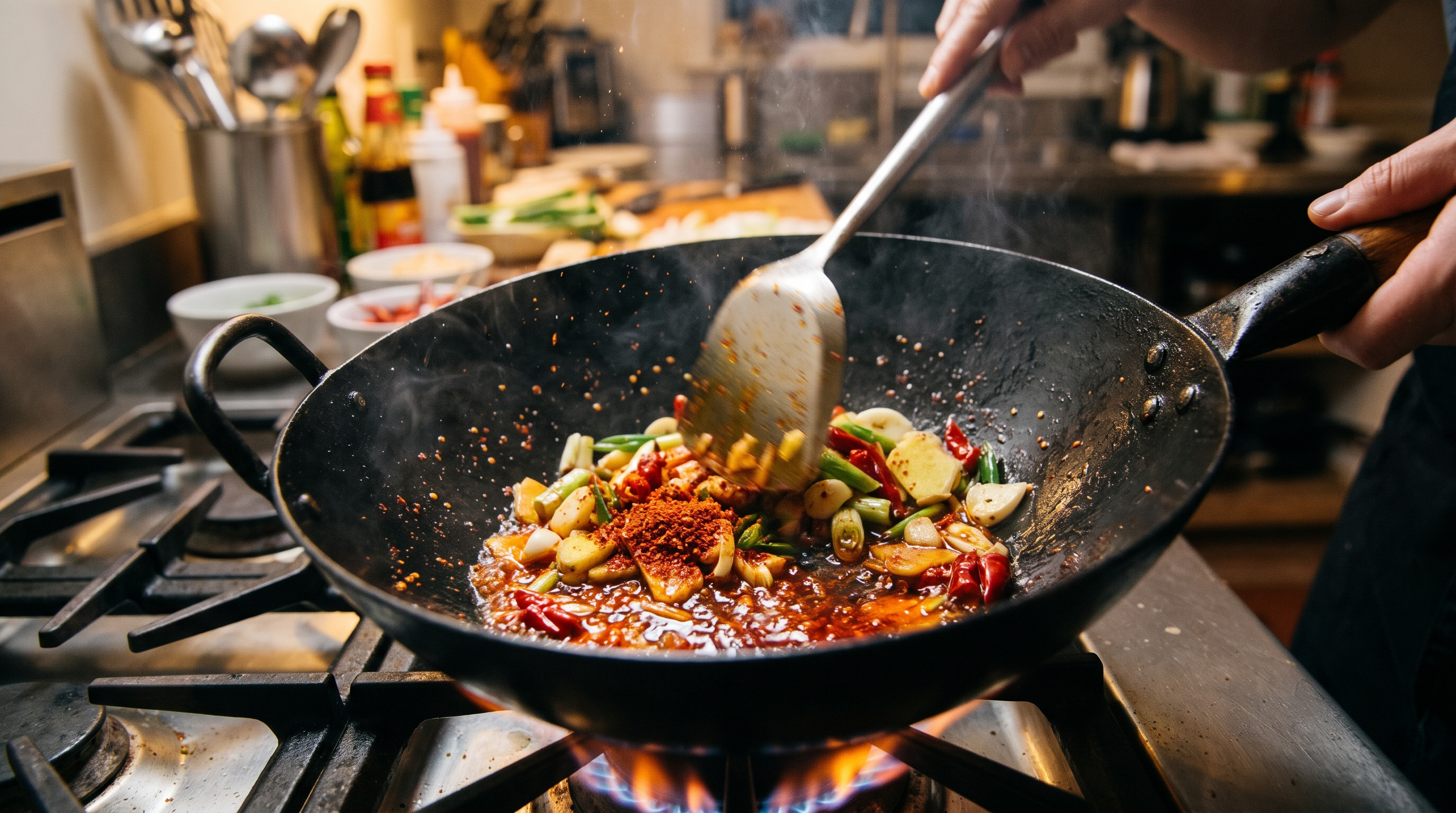
Turn heat to maximum. Pour 1.5 tablespoons of soy sauce along the outer sloping rim of the wok. It will immediately hiss, bubble violently, and caramelize, infusing the aromatic oil with authentic smoky Wok Hei.
Step 3. Sauté Vegetables, Bloom Gochugaru, and Sear Seafood
Toss in the sliced cabbage, onions, carrots, and shiitake mushrooms. Stir-fry over high heat for 1.5 minutes until the vegetables soften slightly and develop faint charred edges.
Reduce the heat to medium-low. Add 3 tablespoons of fine gochugaru. Stir-fry continuously for 1 minute, allowing the red pepper powder to absorb the hot oil and vegetables’ moisture, blooming into a fragrant crimson chili paste.
Add the prepped squid and shrimp. Toss over medium-high heat for 45 seconds just until the seafood is coated in red oil and the shrimp begin to blush pink.
Step 4. Pour Bone Broth, Simmer Clams, and Assemble
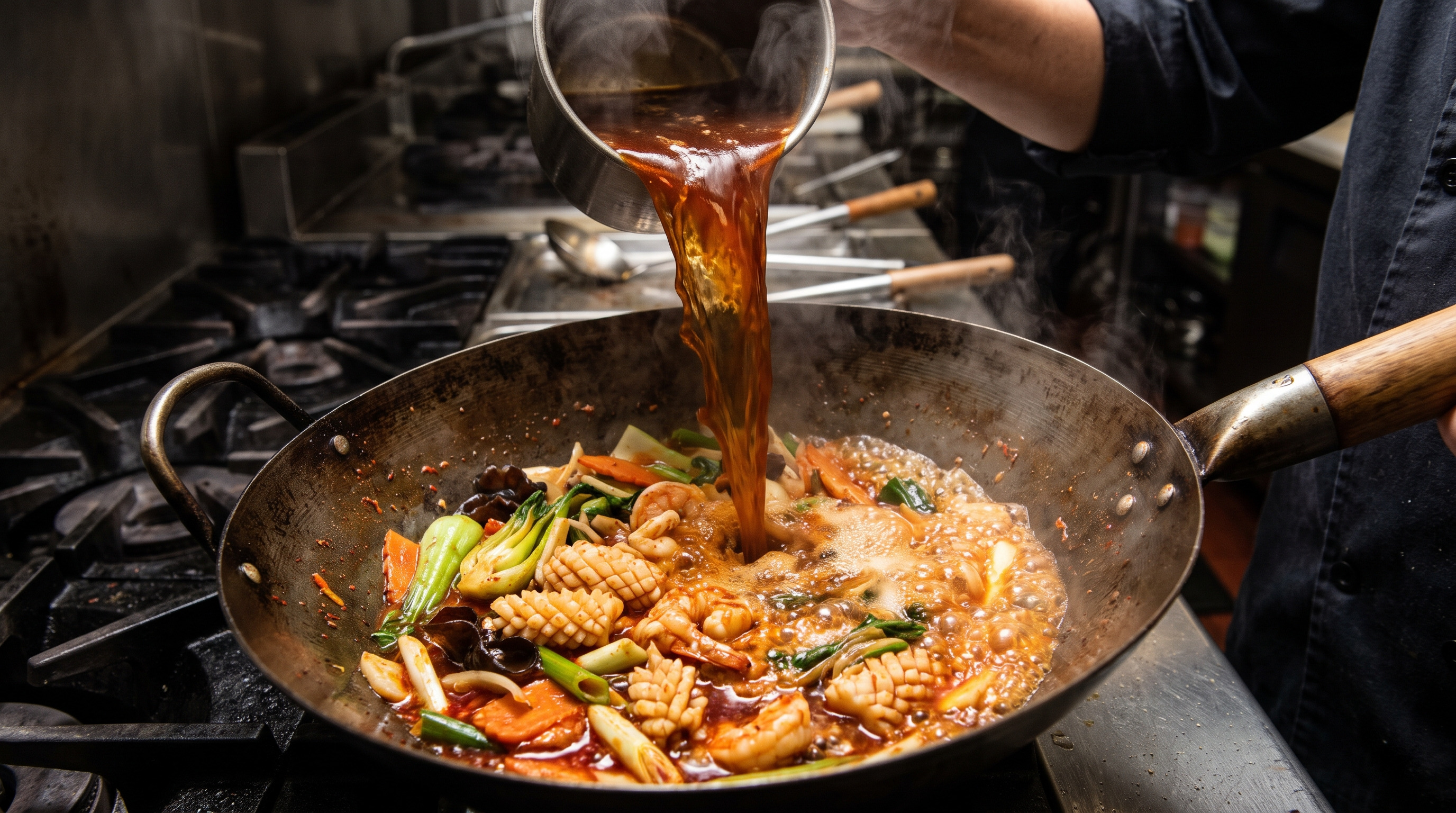
Pour in 500ml of beef bone broth and 500ml of water. Crank the heat to high and bring to a rapid, rolling boil.
Stir in 2 tablespoons of oyster sauce, 1 tablespoon of chicken bouillon powder, 2 tablespoons of mirin, 1/4 teaspoon of black pepper, the cleaned Manila clams, and sliced green chilies.
As the broth bubbles vigorously, skim off any gray foam rising to the surface with a fine skimmer. Boil for 2 to 3 minutes until the clams pop wide open and the squid curls tenderly.
Ladle the fiery, steaming broth and mountain of succulent seafood over your pre-warmed noodles. Serve immediately!
4. Pro Chef Tips to Elevate Your Dish
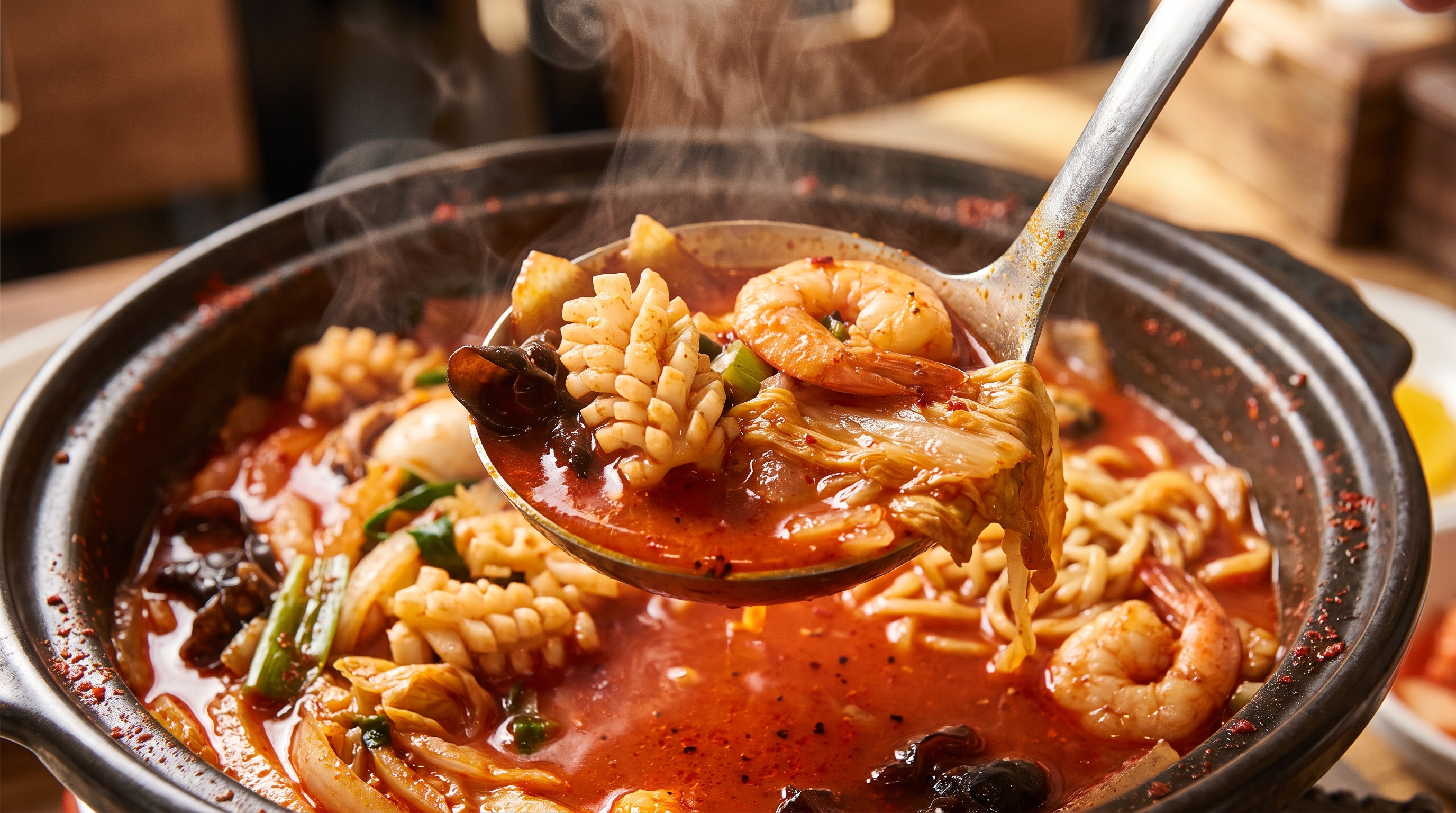
Unlock professional Chinese-Korean noodle shop flavor with these three expert tricks:
- The Magic of Pre-Packaged Sagol Bone Broth: If you boil Jjamppong using only plain water or light anchovy broth, the soup lacks viscosity and tastes thin. In professional kitchens, chefs use a hybrid stock made of pork or beef bone broth simmered for hours. Using one 500ml shelf-stable pouch of Korean beef bone broth (Sagol Gomtang) mixed 1:1 with water instantly provides rich gelatin and emulsified fats, giving your soup a velvety mouthfeel.
- Strict Temperature Control for Gochugaru (Never Exceed 120°C): Korean red chili powder burns very easily when added to hot dry woks, turning bitter, black, and acrid. Always turn down the heat to medium-low and ensure the wok has sufficient vegetable juices before adding the gochugaru. Blooming it gently for 60 seconds produces sweet, brilliant red chili oil without a trace of burnt bitterness.
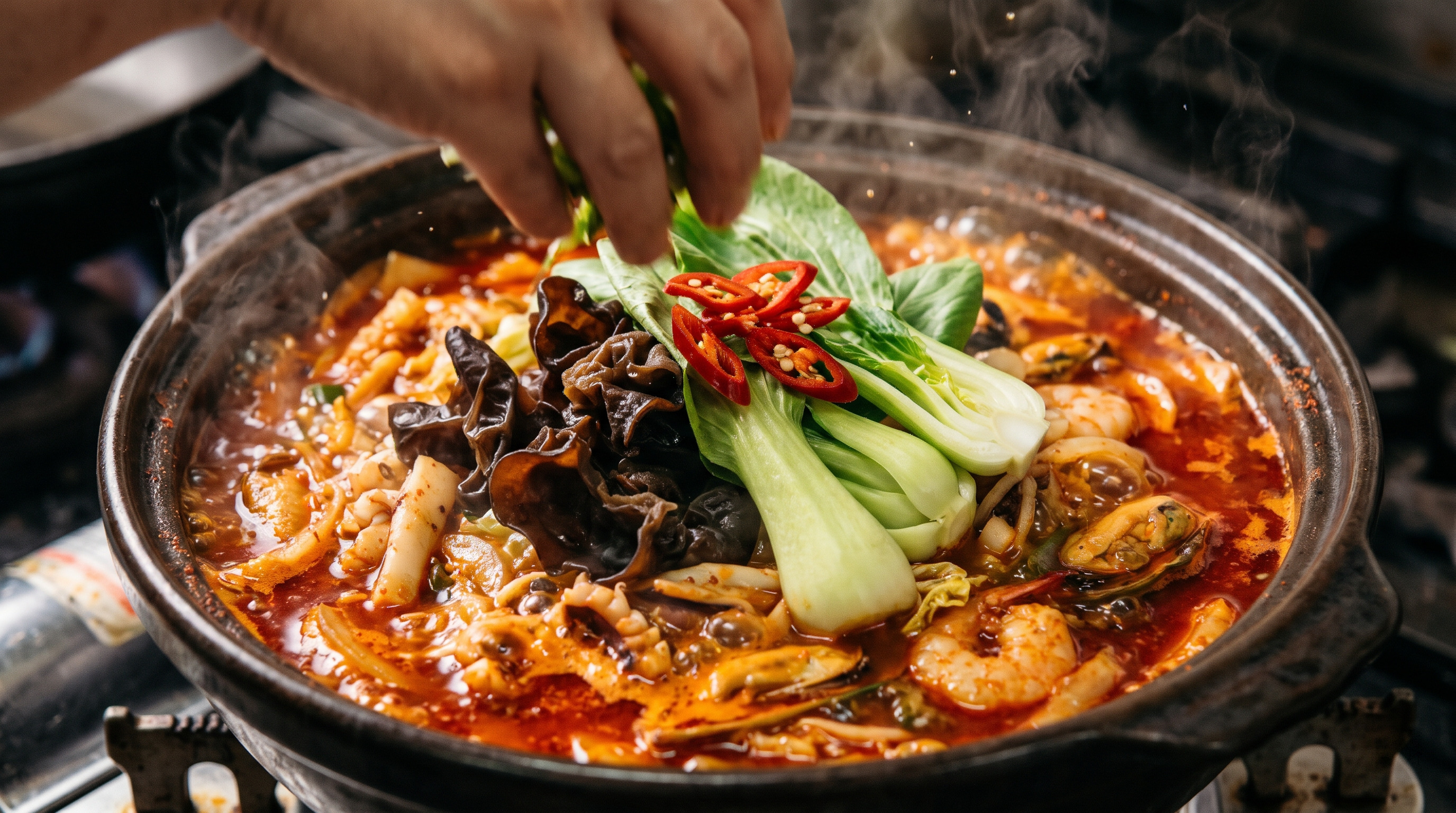
- Add Wood Ear Mushrooms, Bamboo Shoots, or Bok Choy for Crunch: Elevate your bowl by adding a small handful of rehydrated black wood ear mushrooms (kikurage) or canned bamboo shoot strips along with the cabbage. Add baby bok choy 1 minute before finishing. The contrasting crunch against soft noodles makes every spoonful exciting.
5. Frequently Asked Questions (FAQ)
Q1. What noodles should I use if I cannot find Chinese fresh alkaline noodles?
Look for fresh yellow wheat noodles labeled Jungwhamyeon (Chinese noodles) or Jajangmyeon noodles in the refrigerated section of Asian grocery stores. If unavailable, fresh Japanese ramen noodles or Korean kalguksu (fresh knife-cut noodles) are wonderful alternatives. You can even skip noodles entirely and ladle the soup over a bowl of steamed white rice to make popular Jjamppong Bap (짬뽕밥)!
Q2. Can I use frozen mixed seafood medley?
Yes! Frozen seafood medleys (containing squid rings, mussels, and shrimp) work well for weeknight convenience. To eliminate any stale freezer odor, thaw the seafood in cold water with 2 tablespoons of cooking wine and 1 teaspoon of vinegar for 10 minutes. Drain thoroughly and pat dry with paper towels before flash-stir-frying.
Q3. How do I get that intense smoky Chinese restaurant flavor (Wok Hei) at home?
The key is flash-caramelizing the soy sauce on the dry, superheated upper rim of your wok. Additionally, you can purchase a small bottle of commercial Chinese wok-oil (Hwayu or fire-oil) at H-Mart. Drizzling 1/2 teaspoon of this smoked oil over the finished bowl replicates a commercial wok blast with incredible precision.
6. Serving Suggestions & Conclusion
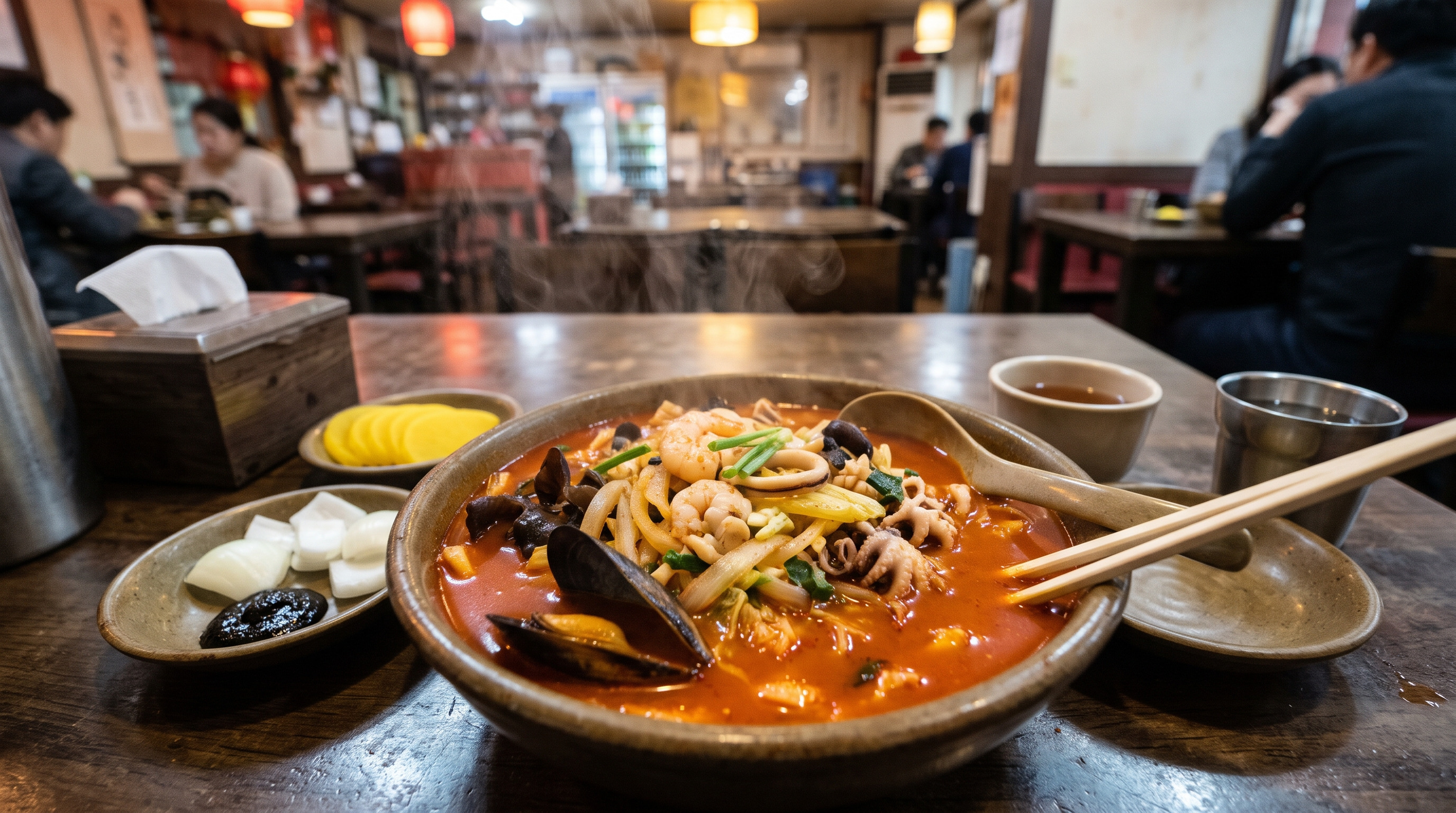
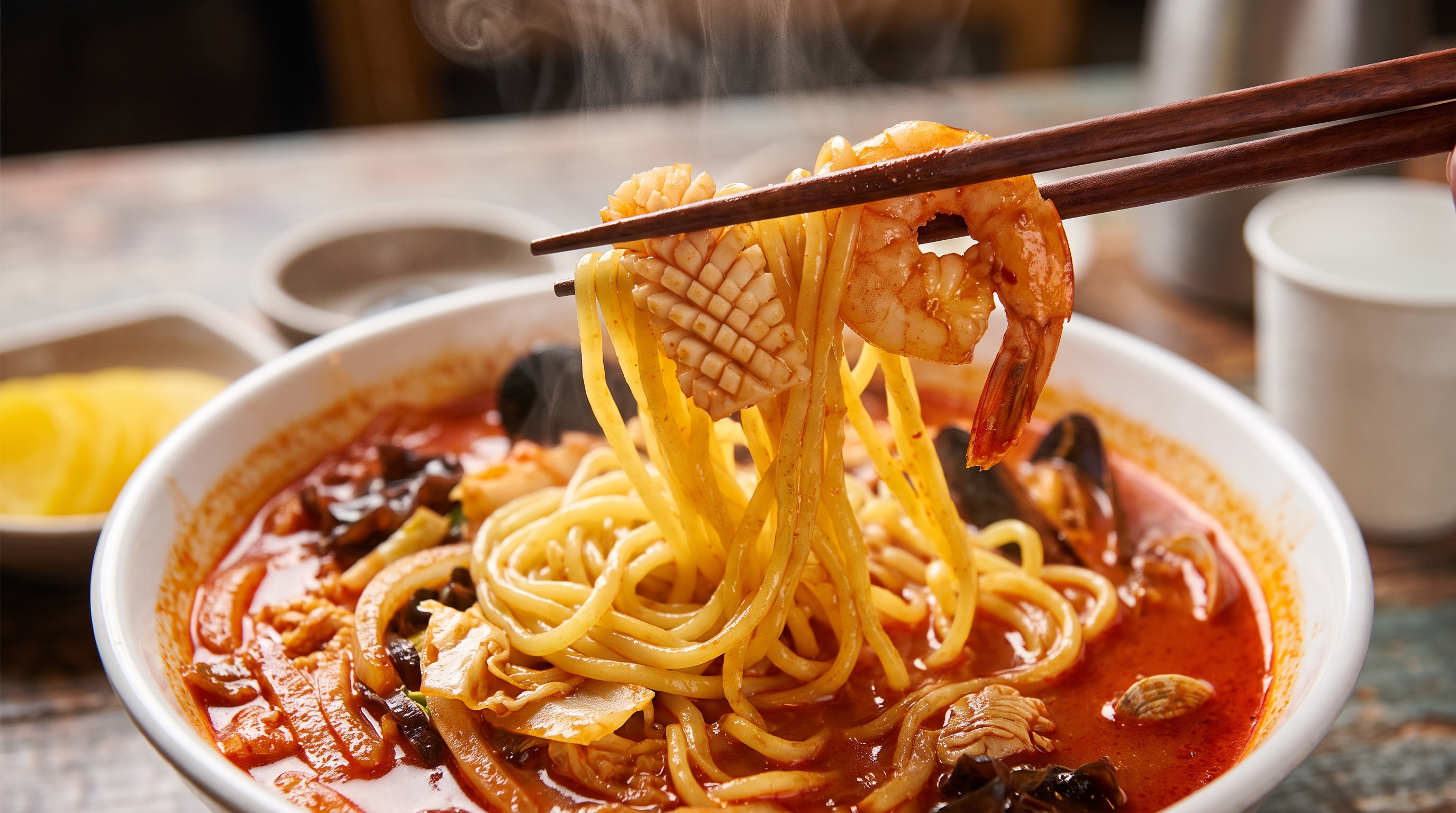
Seafood Jjamppong is best served piping hot in a massive ceramic bowl, topped with yellow pickled radish (danmuji) and raw sliced onions with black bean dipping sauce. Take a deep slurp of the springy noodles, follow it with a steaming spoonful of fiery broth, and enjoy the succulent squid and sweet clams.
For the ultimate Korean-Chinese restaurant experience at home, serve this alongside its iconic companion dishes: Homemade Jajangmyeon (Black Bean Noodles) and crispy, tangy Sweet and Sour Pork (Tangsuyuk).
If you are a fan of fiery seafood and Asian noodles, be sure to also check out our quick Spicy Squid Stir-Fry (Ojingeo Bokkeum), authentic Sichuan Mapo Tofu, and tangy Southeast Asian Shrimp Pad Thai.
With the secrets of wok-rim soy caramelization, fine gochugaru oil-blooming, and rich sagol broth in your repertoire, you can whip up this restaurant-caliber seafood feast whenever the craving strikes. Slurp away and enjoy!