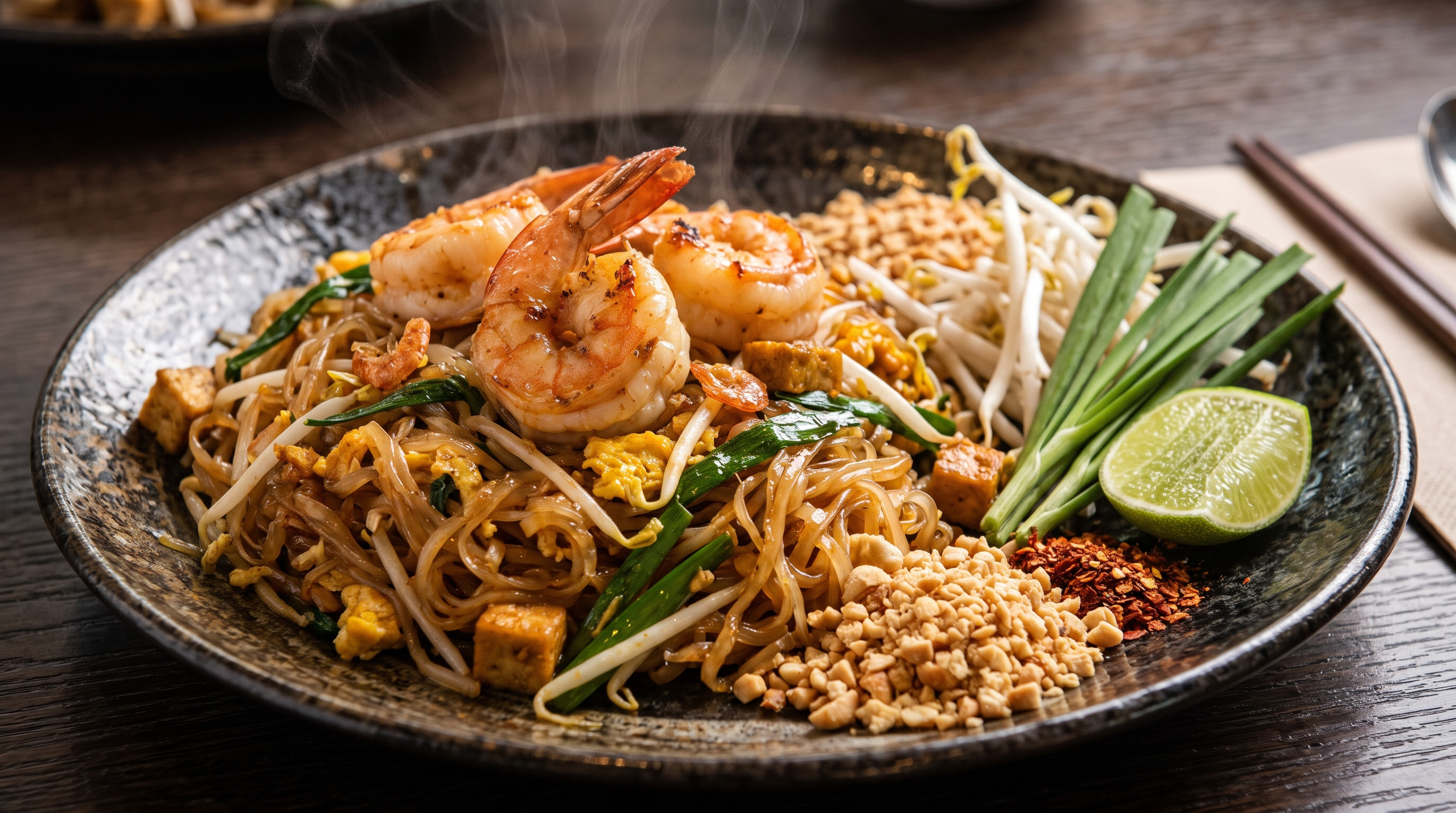
Quick Recipe Snapshot: ⏱️ Prep: 15 mins | 🔥 Cook: 10 mins | 🍽️ Servings: 2 | 💡 Key Secret: Soak rice noodles in lukewarm water (never boil!) + master the sweet-sour-salty triad sauce + 20-second flash-toss bean sprouts on residual heat.
Vibrant, nutty, sweet, tangy, and deeply savory, Pad Thai (ผัดไทย) is Thailand’s most celebrated street food export. Combining succulent seared prawns, chewy rice noodles, fluffy scrambled eggs, crunchy bean sprouts, and fragrant garlic chives, all tossed in a caramelized tamarind sauce and showered with roasted crushed peanuts and lime, it is a symphony of contrasting textures and bold Southeast Asian flavors.
However, cooking Pad Thai at home can feel like a game of culinary Russian roulette. Many well-meaning home chefs find themselves with a soggy, clumpy ball of gummy noodles that break into short bits in the wok, or a sauce that tastes overwhelmingly sour, cloying, or greasy.
Street vendors on the bustling streets of Bangkok don’t rely on luck. They rely on two fundamental food science techniques: sub-gelatinization noodle hydration in lukewarm water (which prevents starch rupture) and the precise flavor triad equilibrium of acid, sugar, and fermented glutamate.
With this foolproof recipe and culinary science breakdown, you can skip expensive restaurant takeout and stir-fry the best Pad Thai of your life in just 15 minutes.
1. The Culinary Science Behind Springy Noodles & Caramelized Sauce
To prevent soggy, broken noodles and create a sticky, glossy sauce coating, you must respect two critical culinary science principles:
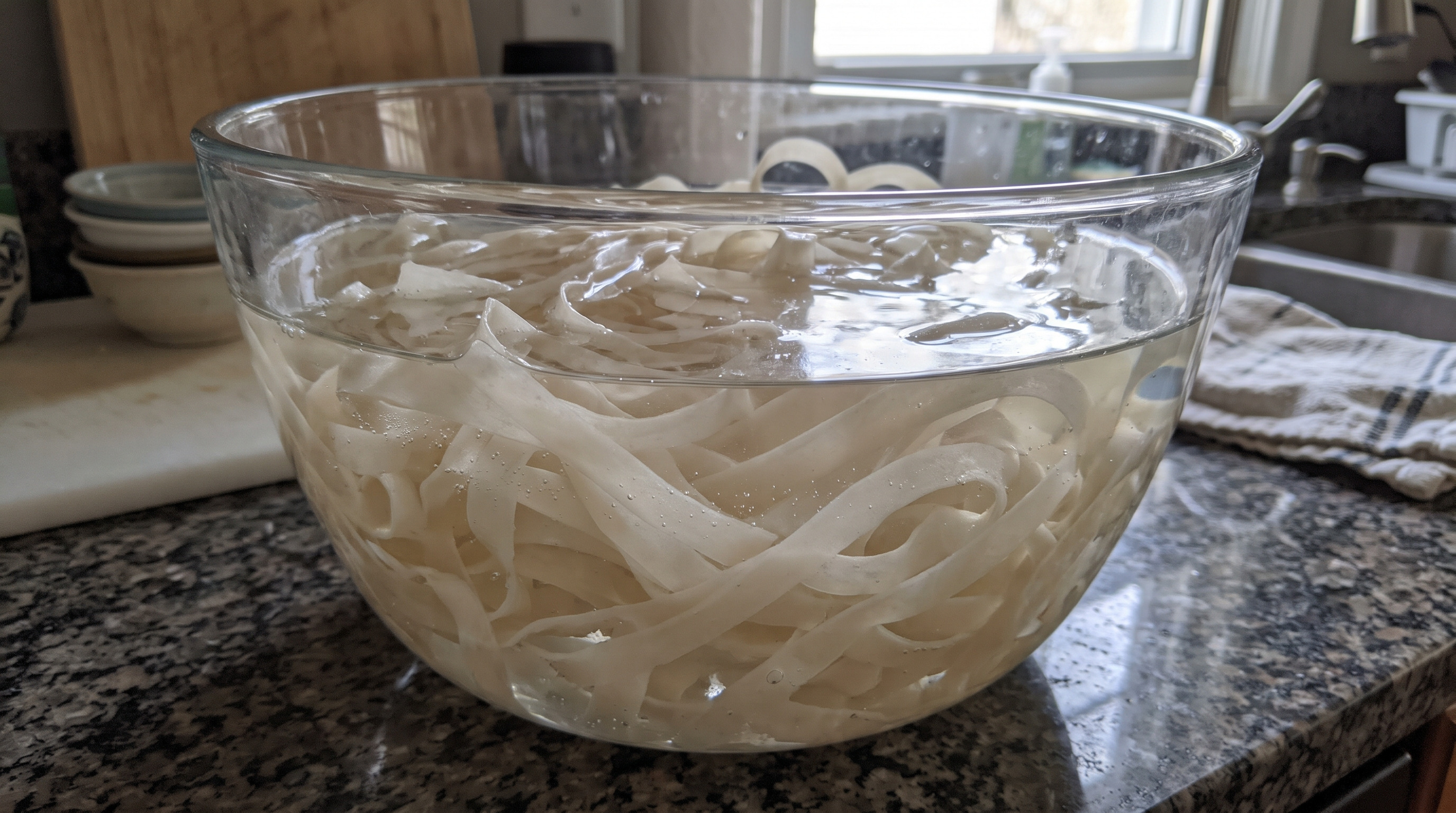
💡 Culinary Science 1: Lukewarm Water Non-Gelatinization Elasticity Trick Dried flat rice noodles are made almost entirely of rice flour (amylose and amylopectin starches). When rice noodles are dropped into boiling water (100°C / 212°F), their exterior starch granules rapidly swell, burst, and leach sticky amylose, leaving the outside mushy while the interior remains uncooked. When dumped into a wok, they immediately tear into short, gummy pieces. By soaking noodles in lukewarm water (40°C / 104°F) for 30–40 minutes, water slowly hydrates the noodle core through capillary action without triggering thermal gelatinization. The noodles remain firm and flexible, primed to absorb hot sauce in the wok like a sponge without breaking.
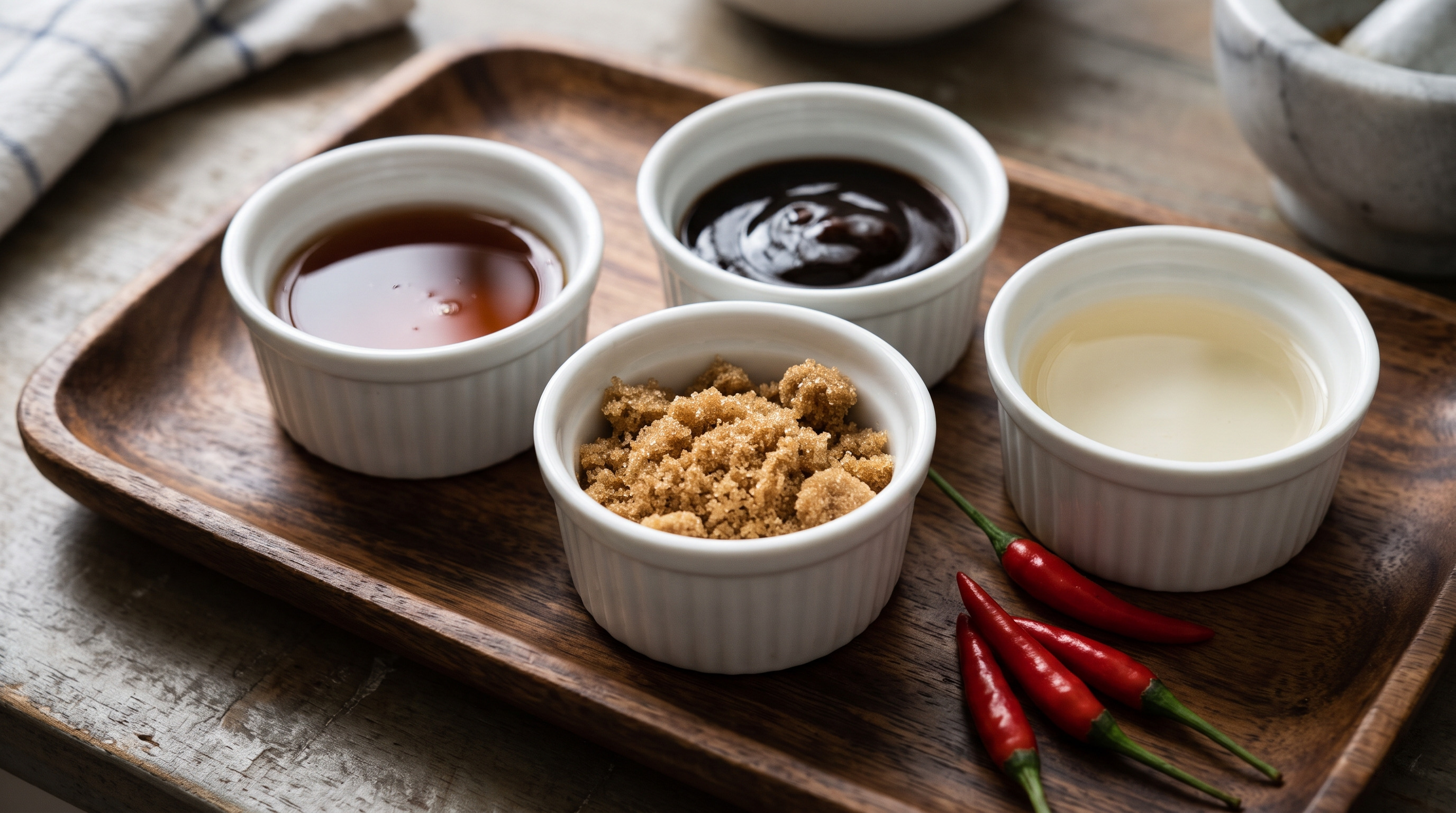
💡 Culinary Science 2: The Triad Synergy of Sweet, Sour, and Salty (Pyrolysis & Maillard Caramelization) Authentic Pad Thai sauce balances three basic tastes: salt from fermented fish sauce, acid from tamarind or vinegar, and sweetness from brown/palm sugar. When this mixture hits a screaming-hot wok (over 160°C / 320°F), the sugars undergo pyrolysis (sugar caramelization) while the amino acids from fish sauce trigger rapid Maillard reactions. The water rapidly vaporizes, transforming the watery sauce into an intensely fragrant, sticky lacquer that instantly clings to the rice noodles.
2. Essential Ingredients & The Golden Ratio Pad Thai Sauce
Here are the precise ingredients for 2 restaurant-style servings, measured in both metric and US units.
| Category | Ingredients & Amounts (Metric & US) | Chef’s Notes & Substitutions |
|---|---|---|
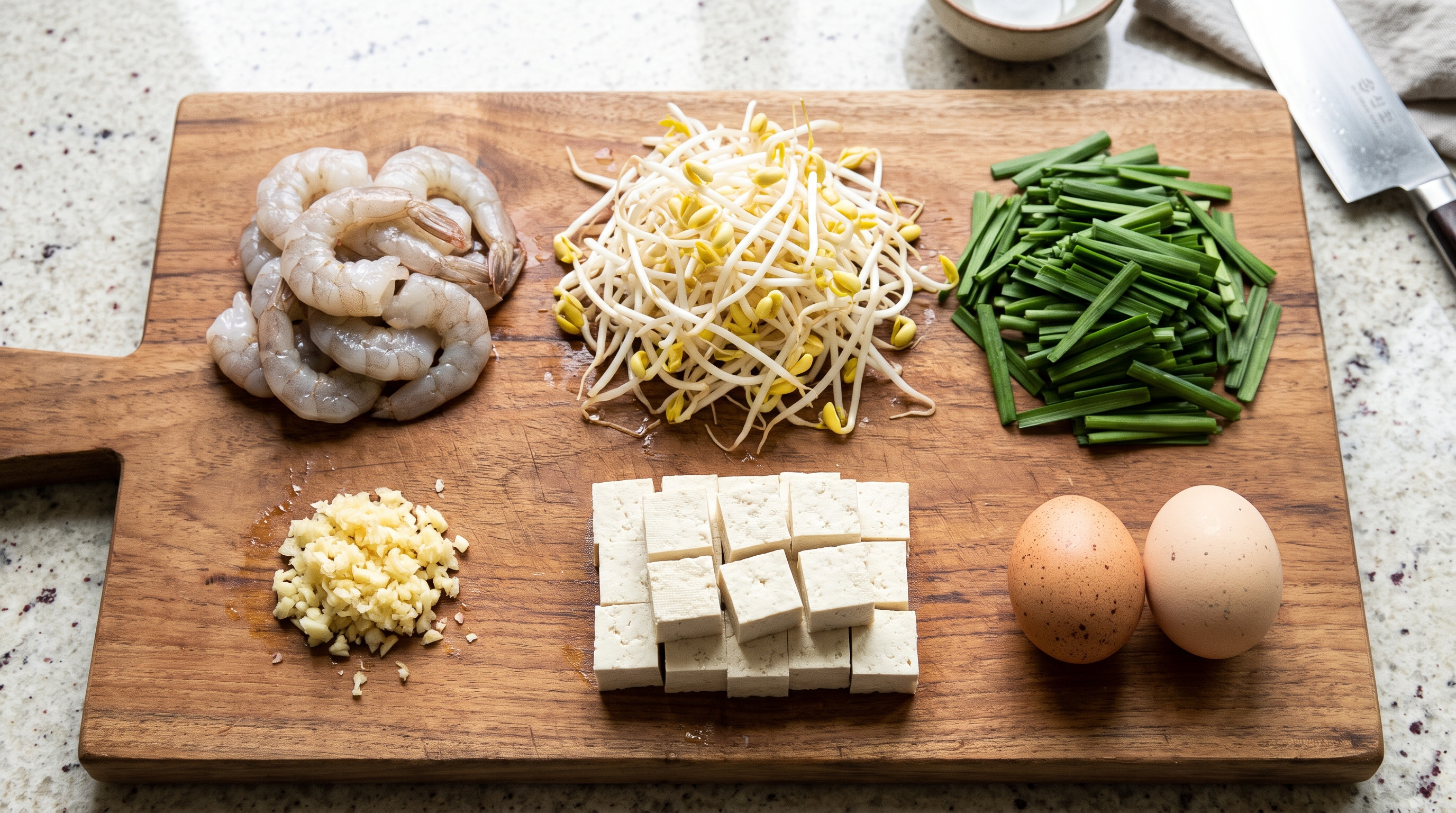
| Noodles & Protein | • Flat Dried Rice Noodles (3–5mm): 160g / 5.6 oz • Large Shrimp (Prawns): 8–10 pcs • Large Eggs: 2 pcs • Extra-Firm Tofu (optional): 100g / 3.5 oz | Use medium-width flat rice noodles (labeled “Pad Thai / Chantaboon noodles”). Firm yellow pressed tofu or regular extra-firm tofu adds authentic texture. |
| Fresh Crunch & Herbs | • Fresh Mung Bean Sprouts: 150g / 5.3 oz (2 handfuls) • Chinese Garlic Chives (or Scallions): 40g / 1.4 oz • Fresh Garlic: 4–5 cloves (minced) • Thai Bird’s Eye Chilies: 2–3 pcs (or chili flakes) | Reserve half the bean sprouts raw for the final crunchy garnish. Garlic chives (Koochae) provide classic street-stall herbal aroma. |
| Garnish & Texture | • Roasted Peanuts (crushed): 3 tbsp • Fresh Lime: 1/2 fruit, cut into wedges | Coarsely crushed unsalted roasted peanuts provide essential crunch and nutty richness. Squeezing fresh lime at the table awakens all flavors. |
| Cooking Fat & Marinade | • Neutral Cooking Oil: 3–4 tbsp • Mirin (or Rice Wine): 1 tbsp • Salt & Black Pepper: 1 pinch each | Peanut oil, canola oil, or soybean oil. Searing shrimp with a pinch of salt and mirin ensures succulent, springy texture. |
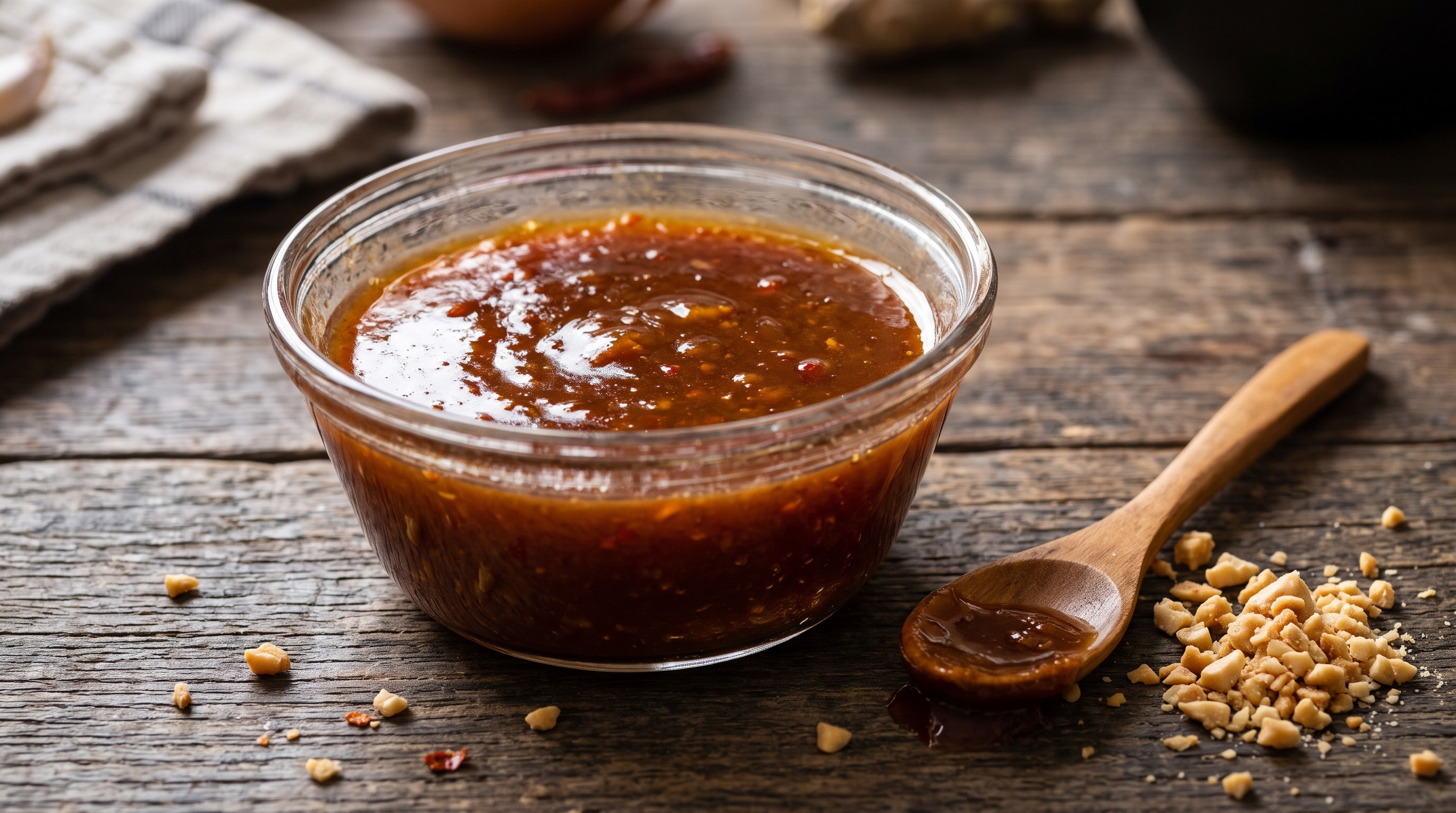
| Golden Ratio Sauce | • Oyster Sauce: 2 tbsp • Dark / Regular Soy Sauce: 1.5 tbsp • Fish Sauce (Nam Pla): 1 tbsp • Brown Sugar (or Palm Sugar): 2 tbsp • Rice Vinegar (or Tamarind Paste): 1.5 tbsp • Water: 3 tbsp • Fresh Lime Juice: 1/2 tbsp | If authentic tamarind paste is unavailable, rice vinegar combined with fresh lime juice replicates that fruity, sour zing with stunning accuracy. |
3. Step-by-Step Cooking Instructions
Follow these 4 quick steps to cook street-vendor style Pad Thai in just 10 minutes of active wok time.
Step 1. Soak Rice Noodles in Lukewarm Water
Place 160g of dried flat rice noodles into a wide, shallow casserole dish or baking tray. Pour lukewarm water (approx. 40°C / 104°F) over the noodles until fully submerged.
Let the noodles soak for 30 to 40 minutes. Test a strand: it should be flexible, bendable without snapping, yet firm and leathery (like al dente pasta), not mushy. Drain thoroughly in a colander and shake off all excess water.
Step 2. Marinate Shrimp, Whisk Sauce, and Prep Tofu
Pat the peeled shrimp completely dry with paper towels. Toss with 1 tablespoon of mirin, a pinch of salt, and a pinch of black pepper. Cut extra-firm tofu into small 1cm x 2cm batons.
In a small mixing bowl, whisk together 2 tbsp oyster sauce, 1.5 tbsp soy sauce, 1 tbsp fish sauce, 2 tbsp brown sugar, 1.5 tbsp rice vinegar, 3 tbsp water, and 1/2 tbsp lime juice until the sugar granules have completely dissolved. In a small cup, lightly beat the two eggs.
Step 3. Sear Shrimp, Crisp Tofu, and Soft-Scramble Eggs
Place a large wok or wide non-stick skillet over medium-high heat and add 3 to 4 tablespoons of cooking oil.
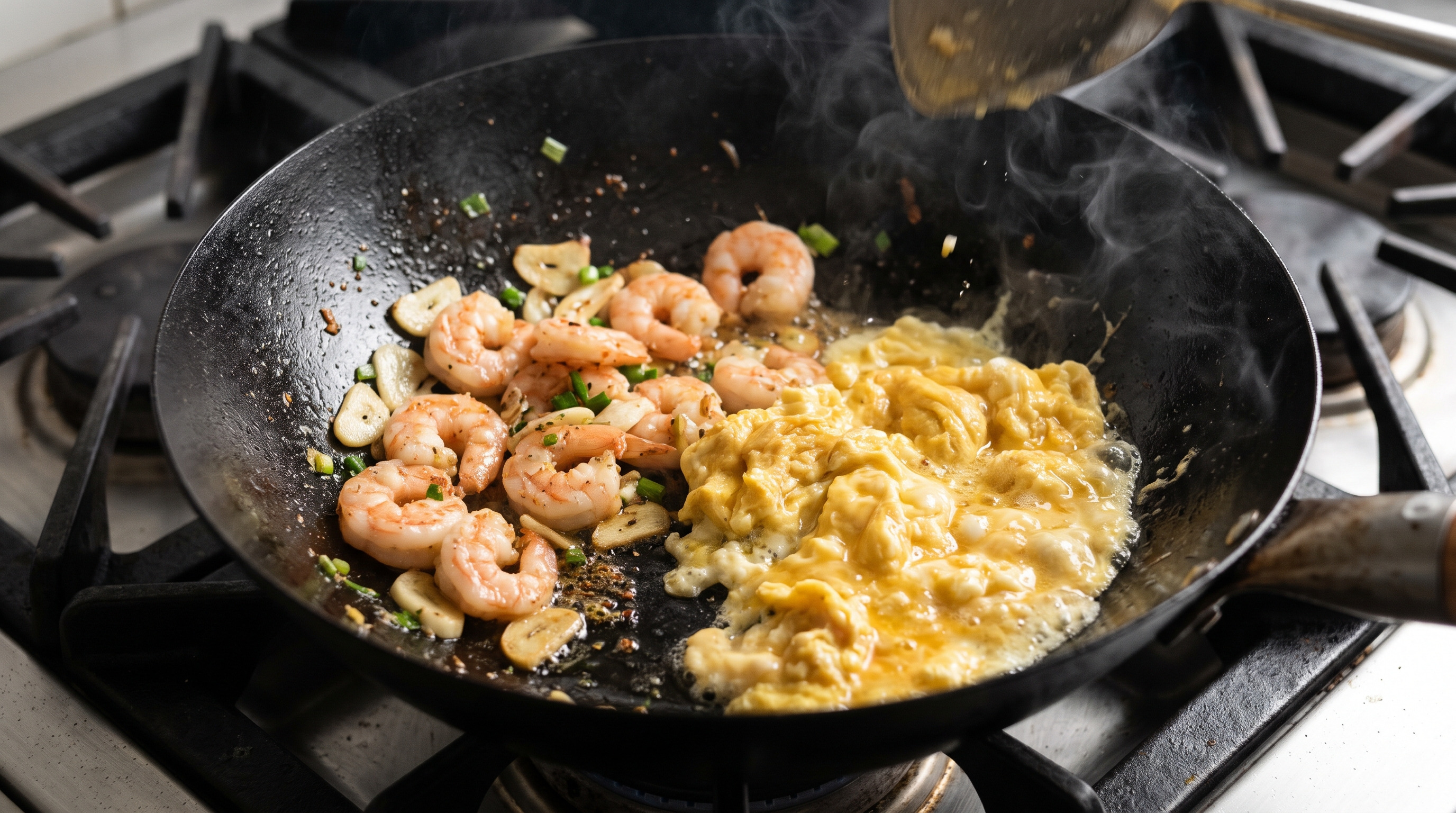
Add the minced garlic, sliced chilies, and diced tofu. Stir-fry for 1 minute until the tofu exterior turns light golden and the garlic is fragrant. Add the marinated shrimp and sear for 1.5 minutes, flipping once, until pink and just cooked through.
Push all ingredients to one side of the wok. Pour the beaten eggs into the empty space. Let the egg cook undisturbed for 15 seconds until the edges set, then scramble softly with your spatula for 15 seconds before folding it together with the shrimp and tofu.
Step 4. Flash-Fry Noodles with Golden Sauce and Finish
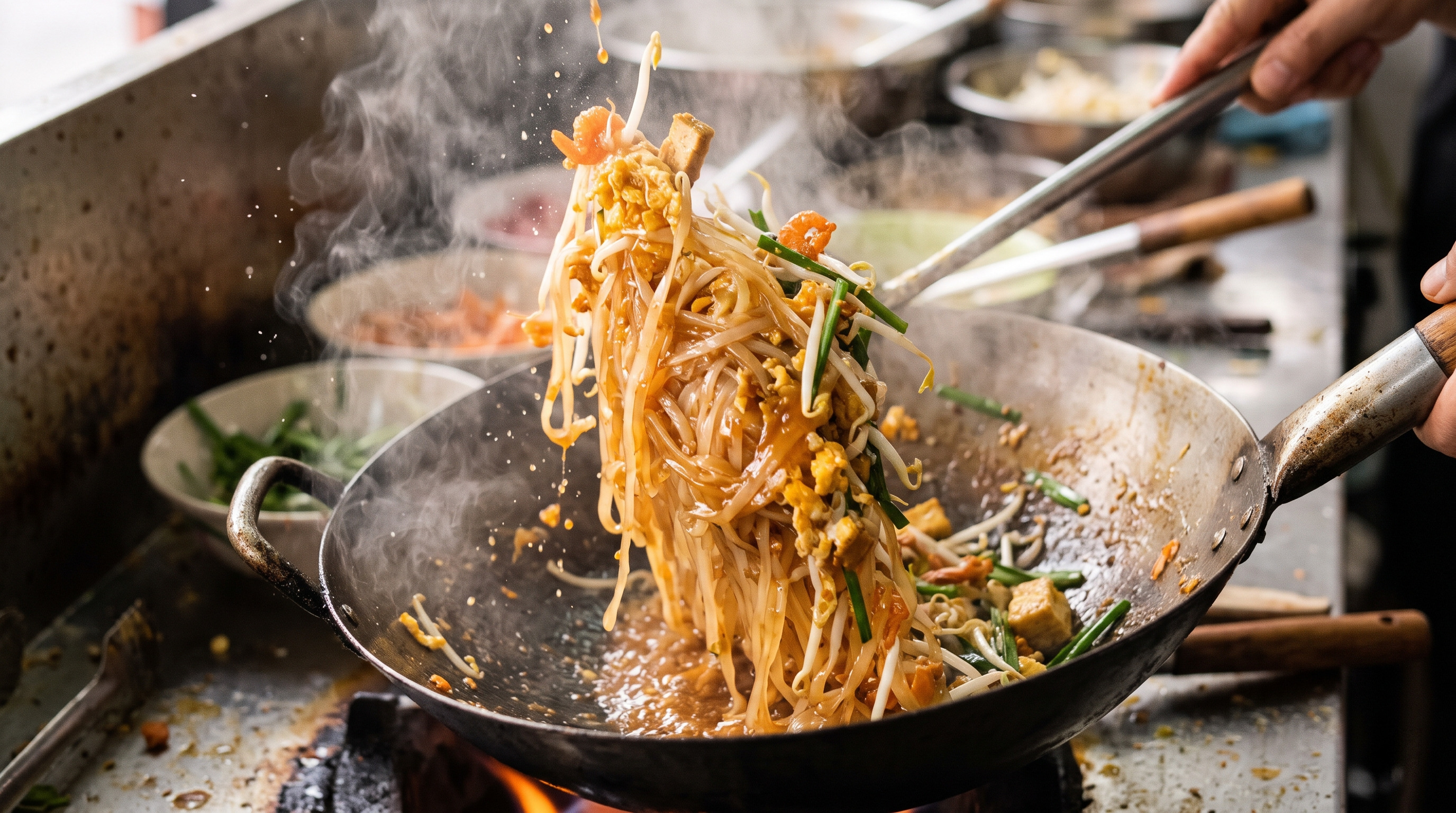
Turn the heat up to maximum. Drop the drained, soaked rice noodles directly into the center of the wok. Immediately pour the prepared Pad Thai sauce all over the noodles.
Toss and stir-fry vigorously with a pair of long cooking chopsticks or tongs for 1.5 to 2 minutes. You will see the noodles rapidly soften, turn glossy and amber-brown, and drink up every single drop of sauce.
Chef’s Tip: If noodles feel slightly stiff, splash 2 tablespoons of water around the wok edge and toss for 30 seconds.
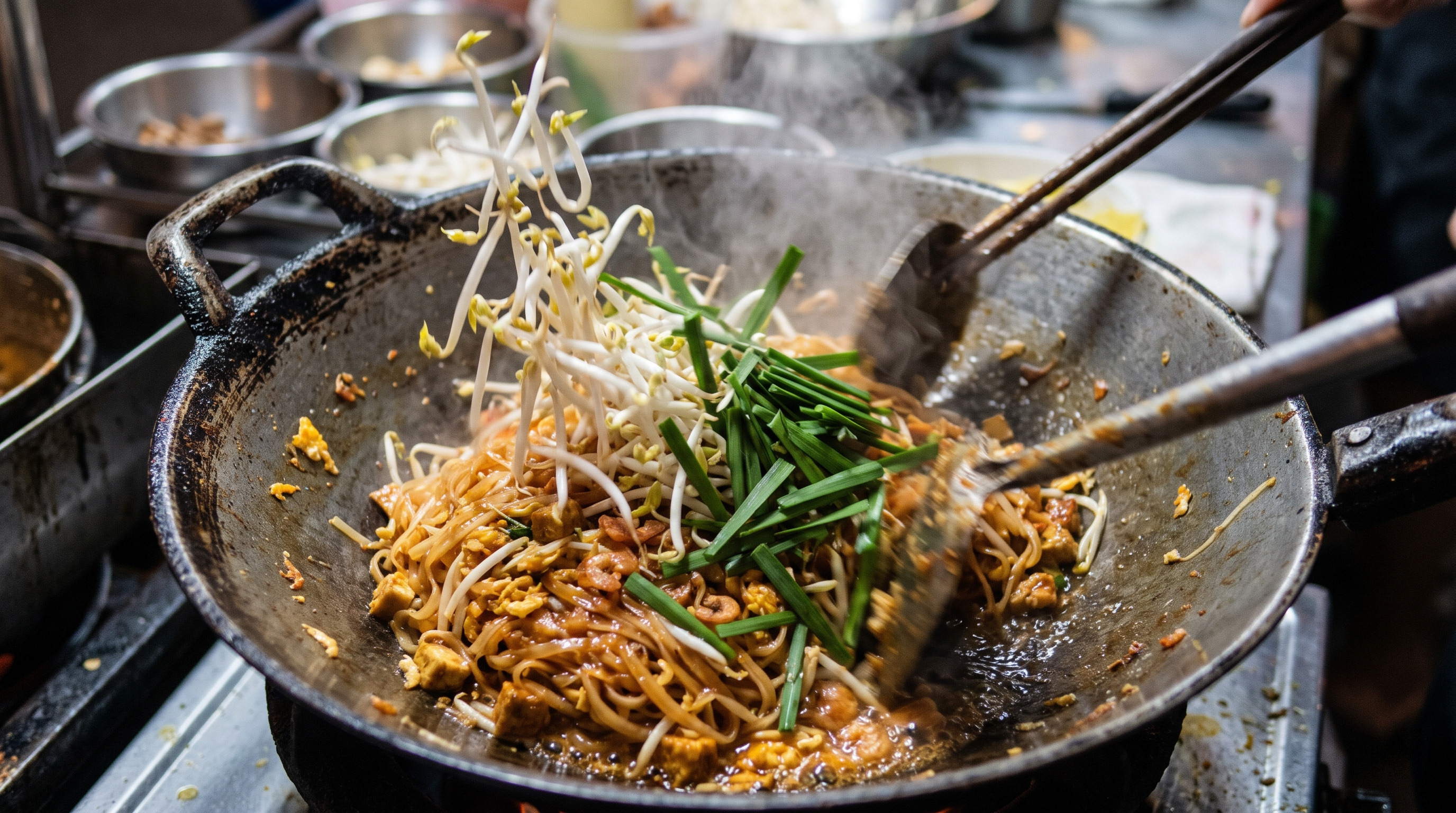
Turn off the heat. Immediately toss in half of the fresh bean sprouts and all of the chopped garlic chives. Stir for just 20 seconds using residual heat—the residual steam will soften the sprouts while keeping them delightfully crunchy.
Transfer to serving plates. Garnish with the remaining fresh raw bean sprouts, crushed roasted peanuts, and lime wedges.
4. Pro Chef Tips to Elevate Your Dish
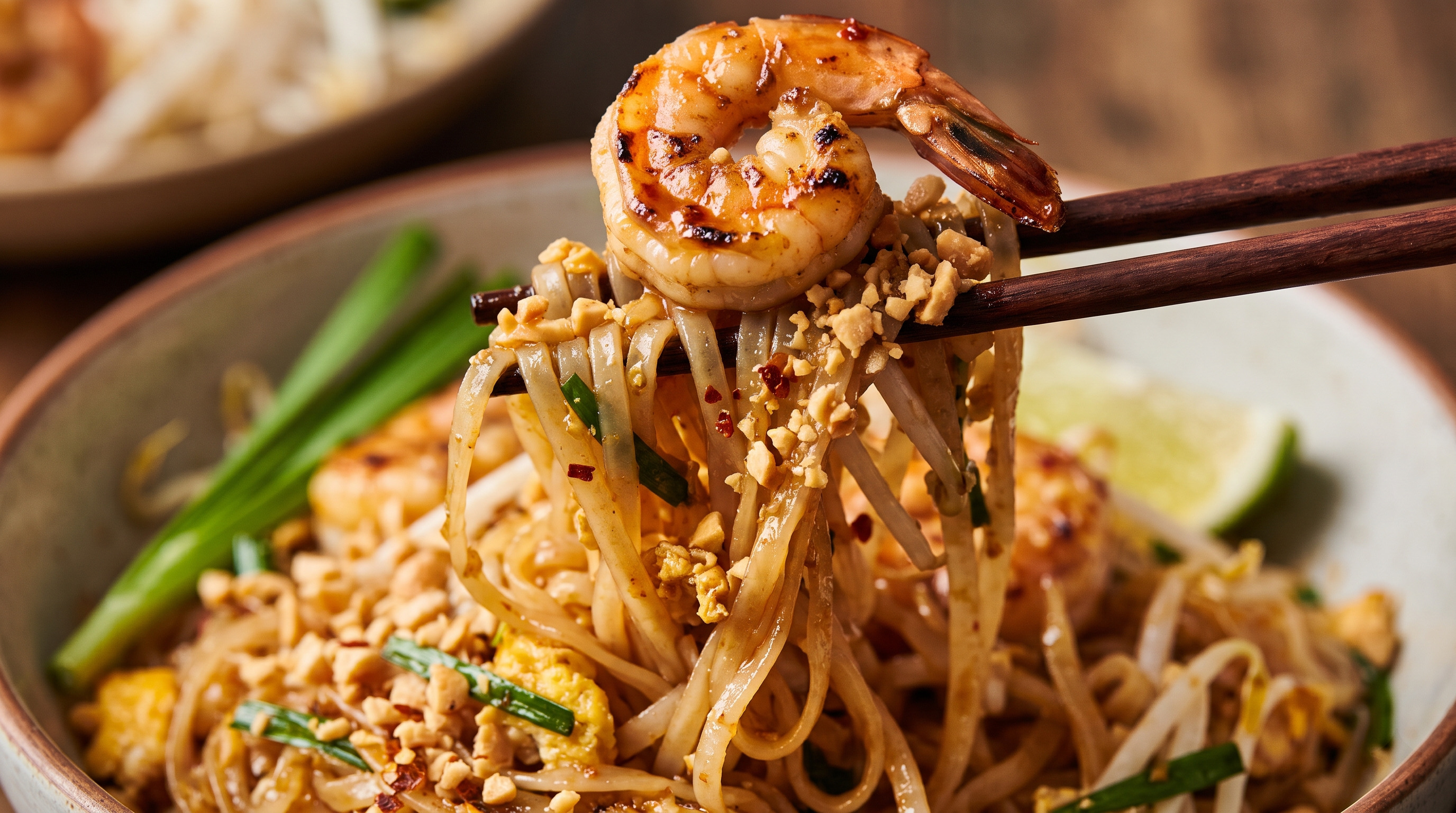
Elevate your Pad Thai with these three insider Thai street food secrets:
- High Wok Heat and Moisture Discipline: The biggest killer of Pad Thai is excess water. Never overcrowd your pan by cooking more than 2 servings at once, as the temperature will plummet, causing the noodles to boil in trapped steam rather than sear. If doubling the recipe for a party, cook in two separate batches.
- The Magic of Crushed Roasted Peanuts and Chili Flakes: A generous showering of roasted peanuts is not merely a garnish—it provides essential hydrophobic fat that binds with the sweet-sour sauce, adding an irresistible nutty crunch. For an authentic kick, dust with Thai dried crushed chili flakes (Prik Bon) to taste.
- Never Skip the Fresh Lime Squeeze: Thai cuisine balances richness with fresh acidity. While vinegar provides cooking stability in the sauce, a generous squeeze of fresh raw lime juice right before eating releases aromatic citrus terpenes (limonene) that cut through the oil and make the entire plate sing.
5. Frequently Asked Questions (FAQ)
Q1. Can I use Korean fish sauce (aekjeot) if I don’t have Thai fish sauce (Nam Pla)?
Yes! Korean anchovy fish sauce (Myeolchi Aekjeot) or sand lance fish sauce (Kkanari Aekjeot) undergoes an identical marine fermentation process to Thai Nam Pla. Use it at a 1:1 ratio. It provides the exact deep, savory backbone needed for authentic Southeast Asian cooking.
Q2. What should I do if my noodles are still too firm while stir-frying in the wok?
If your noodles weren’t soaked long enough and still feel chewy or stiff after the sauce is absorbed, do not add extra oil! Simply drizzle 2 to 3 tablespoons of water or chicken broth along the sloping edge of the hot wok, cover with a lid for 30 seconds to trap steam, and resume tossing over high heat.
Q3. How can I reheat leftover Pad Thai without the noodles turning soggy or breaking?
Never use a microwave on high power, which dries out rice starch and makes it snap like cardboard. Instead, heat a dry skillet over medium heat, add a splash of water (about 1 tablespoon), slide in the cold noodles, and gently toss with chopsticks for 2 minutes until steamy and glossy.
6. Serving Suggestions & Conclusion
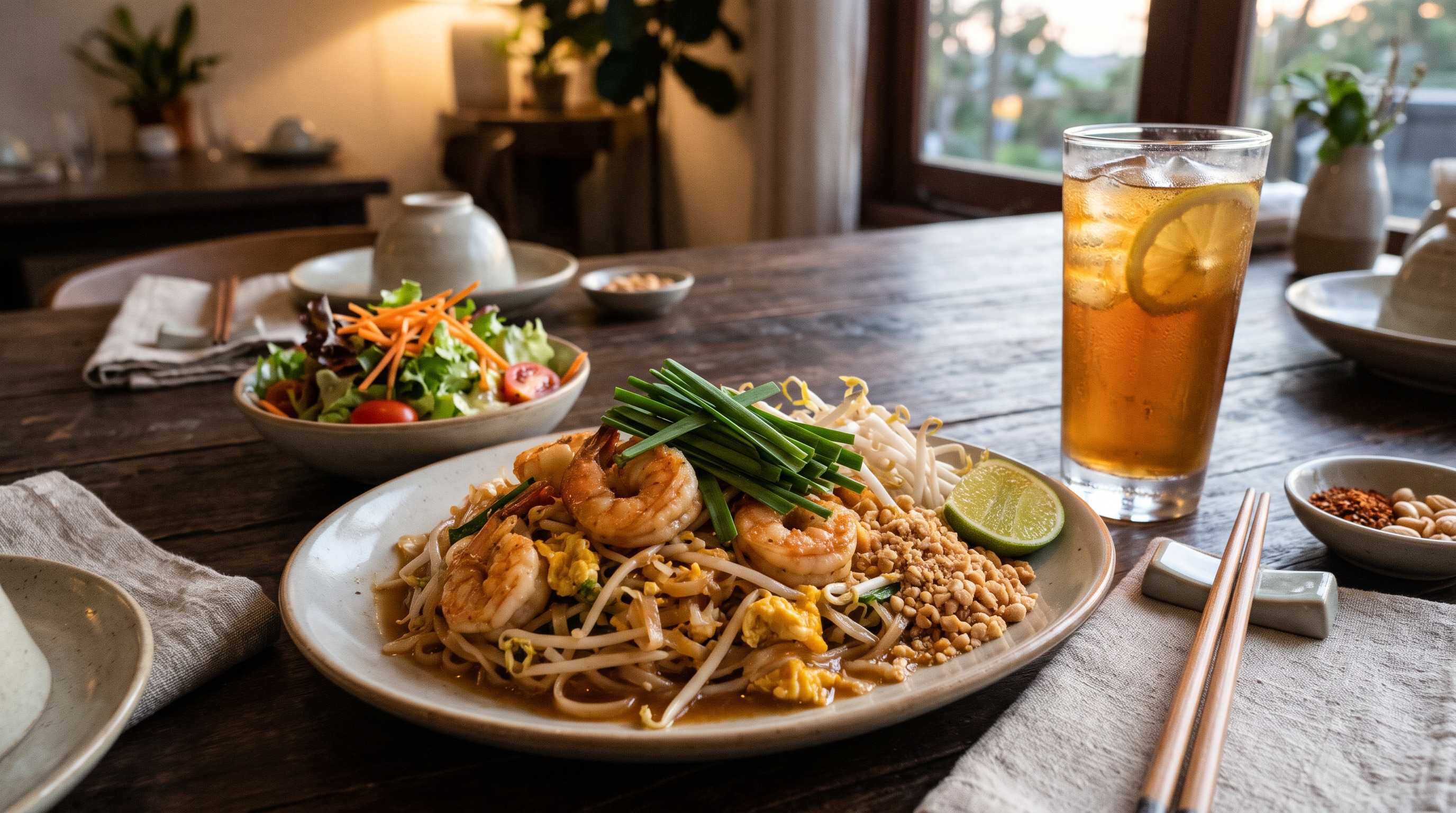
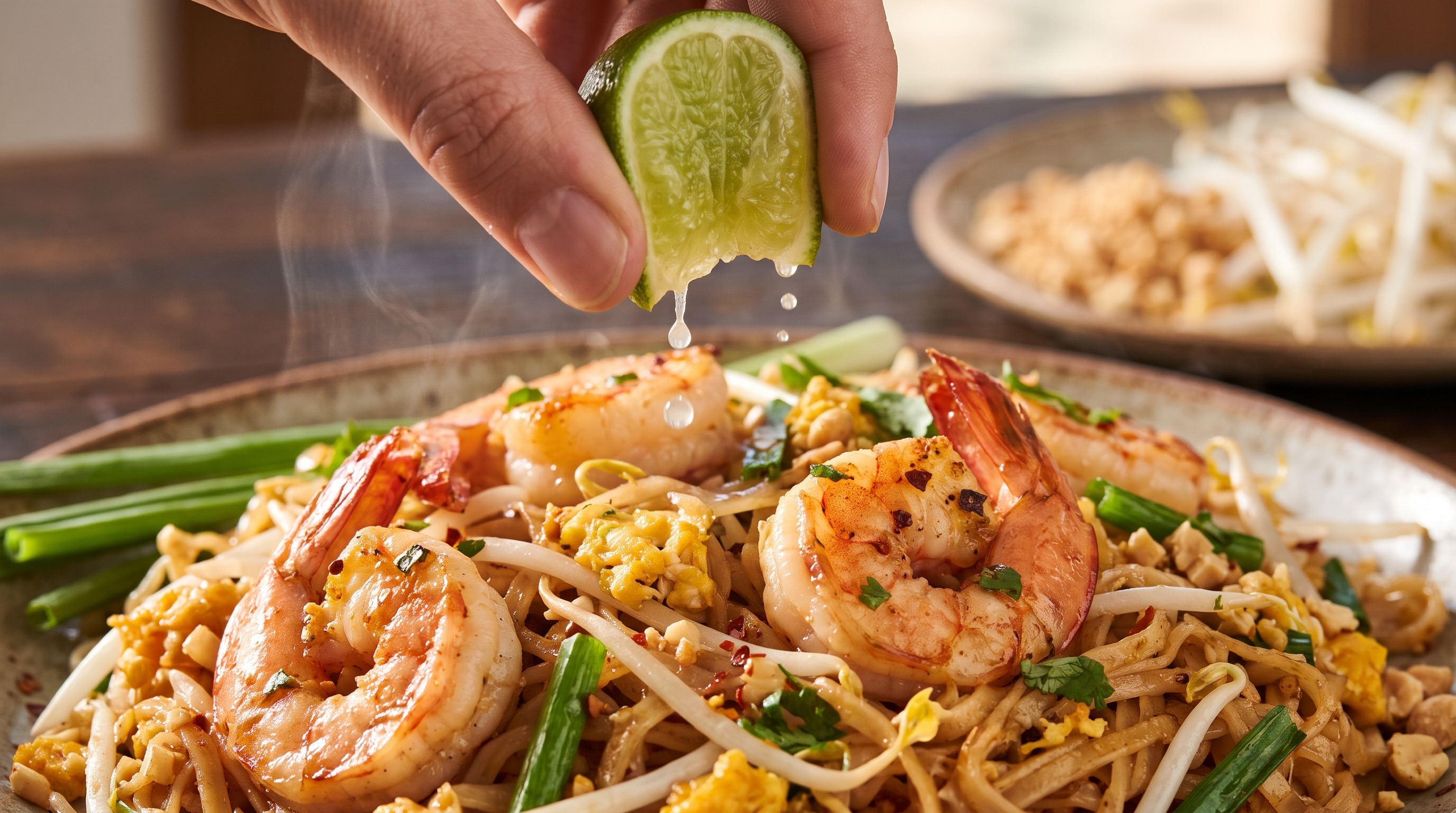
Pad Thai is a complete meal in a single dish, best served immediately from wok to plate. Accompany it with a cold glass of sweet Thai iced tea or an ice-cold crisp lager. Squeeze fresh lime juice generously over the noodles, stir the crushed peanuts and fresh chili flakes through, and dig in with your fork or chopsticks!
If you love exploring iconic Asian noodle bowls, be sure to try our aromatic Vietnamese Beef Pho or the fiery Korean-Chinese favorite, Seafood Jjamppong. For another crowd-pleasing garlic and olive oil noodle classic, check out our Aglio e Olio.
If you are a seafood enthusiast who loves bold garlic flavors, don’t miss our sizzling Gambas al Ajillo, or explore sweet-and-savory soy chicken dishes like Andong Jjimdak.
With the lukewarm-soak technique and golden ratio sauce mastered, you have the secret to restaurant-quality Thai noodles in your culinary repertoire. Fire up your wok and enjoy this street food sensation tonight!